Related: Projector Throw Distance: How Far Back Does It Need to Sit?
I have hung projectors in basements with no windows and drop ceilings, and I have hung them in living rooms where the afternoon sun lands on the screen like a spotlight. The hardware matters, but the room decides the outcome. This home projector buying guide is the conversation I have with clients before they hand me a card: what the room can actually support, what the spec sheet really promises, and which of these three projectors belongs in each situation.
Here is the single most useful thing I can tell you. A $5,000 projector in a bright room loses to a $1,000 projector in a dark room. That is not a slogan, it is physics. If you cannot control the light, buy brightness and accept the compromises. If you can control the light, almost everything else becomes negotiable, and you get to care about color, contrast, and fan noise instead of fighting a window.
I calibrate with a colorimeter, not my eyes, and I care about ANSI lumens because that is the number a brand has to stand behind. Everything below is written with that bias, and I am not going to pretend otherwise.
Best Overall for a Real Theater Room: Epson Home Cinema 1080
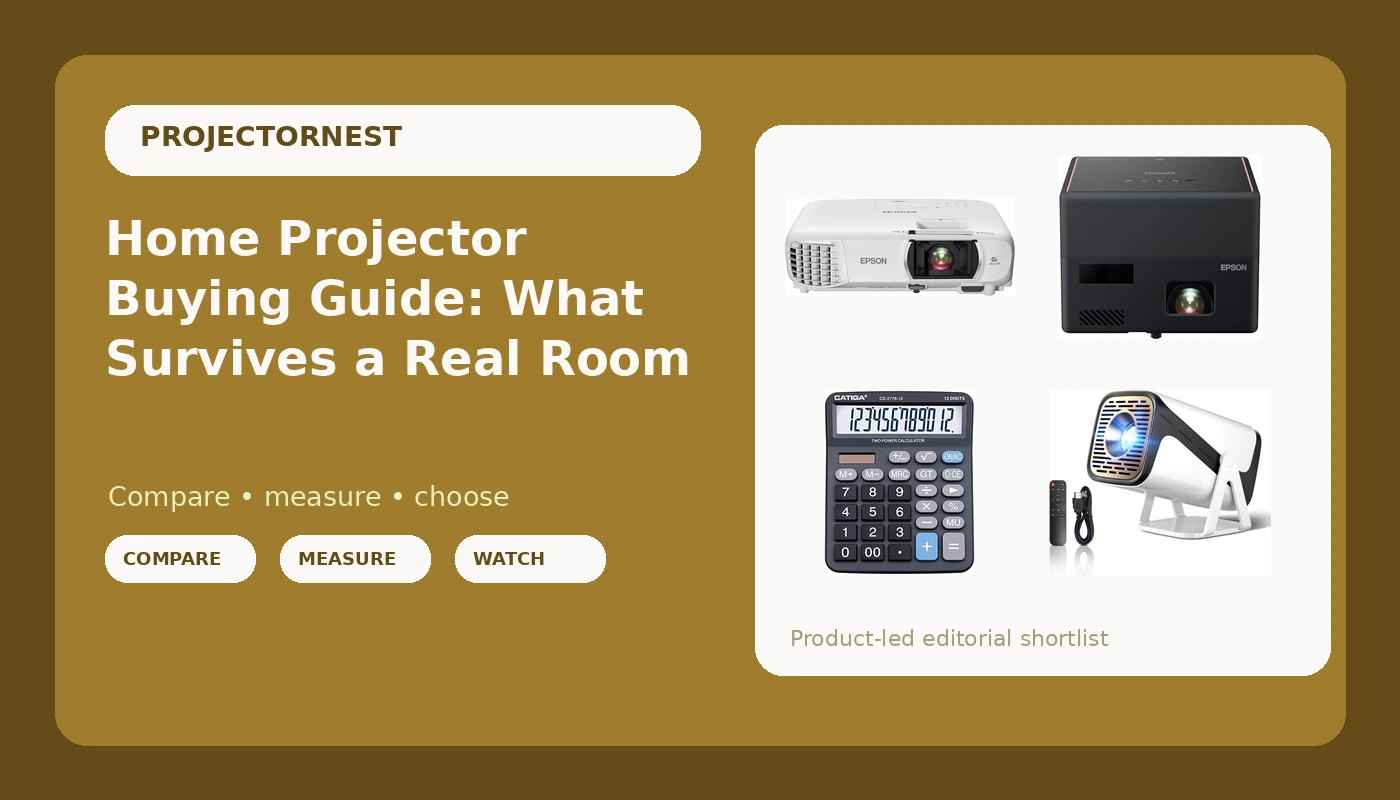
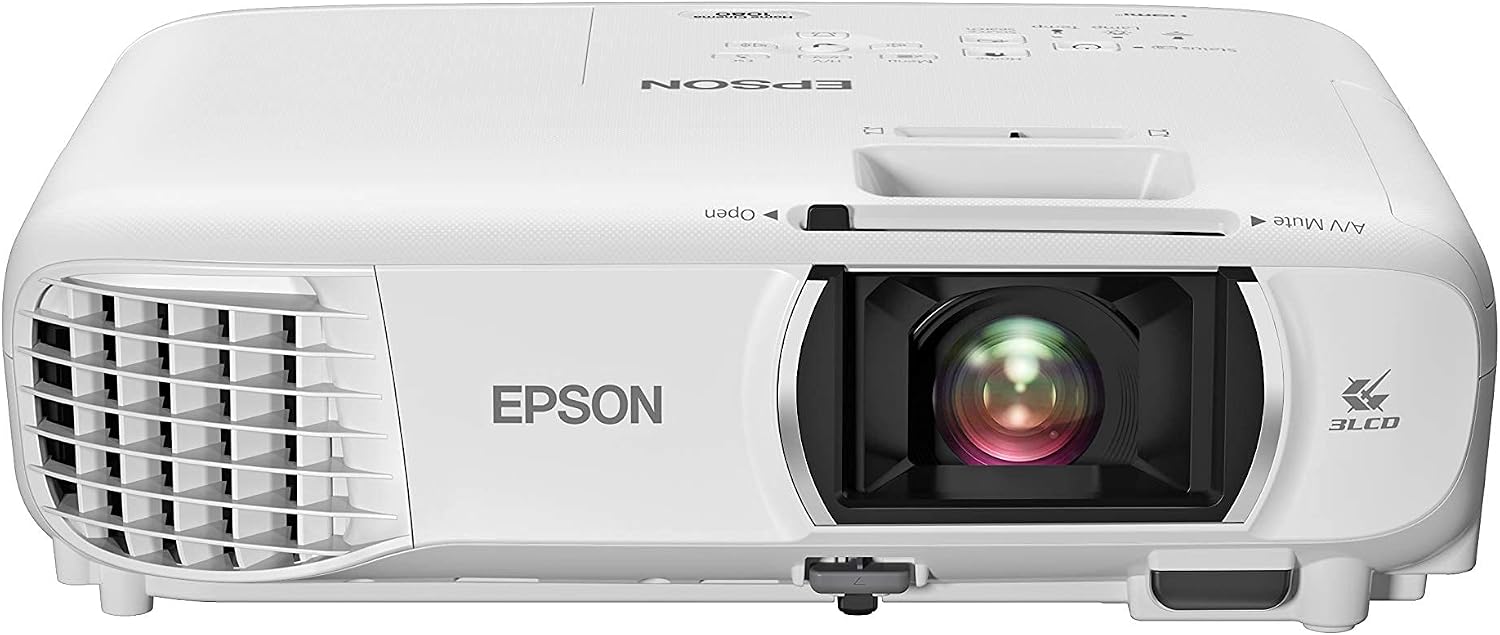
If you have a room you can darken, this is where I start. The Home Cinema 1080 is a three-chip 3LCD design with native 1080p resolution. Three chips means there is a panel behind each primary color, which is why 3LCD projectors hold their color brightness instead of trading it away, and it is also why you will not see rainbow fringing on a moving scene the way some single-chip DLP owners complain about.
Native 1080p matters here, and I want to be blunt about why. A lot of budget "4K" projectors are 1080p chips shifting pixels fast enough to fool a spec sheet. Pixel shifting genuinely works and I will defend it, but it is not the same thing as a native 4K panel. The Home Cinema 1080 does not pretend. It is a 1080p projector, it says so on the box, and it puts its money into the parts that survive a real install.
Two things to check before you buy anything in this class. First, ANSI lumens, not marketing lumens. If a brand will not publish an ANSI number, assume the worst. Second, the lens. A projector with real zoom and lens shift means you can set it on a shelf or a ceiling mount and square the image without moving furniture or drilling new holes. A projector without lens shift means you move the projector, then you move it again, and then you move it a third time at 11 p.m. with a flashlight in your mouth.
This is the one I would hang in a dedicated room or a light-controlled living room with a fixed screen in the 100 to 120 inch range. It is not the projector for a bright sunroom, and it is not the projector you carry to a friend's house. Those are different jobs, and they get different picks.
Best All-in-One for Apartments and Rentals: Epson EpiqVision Mini EF12
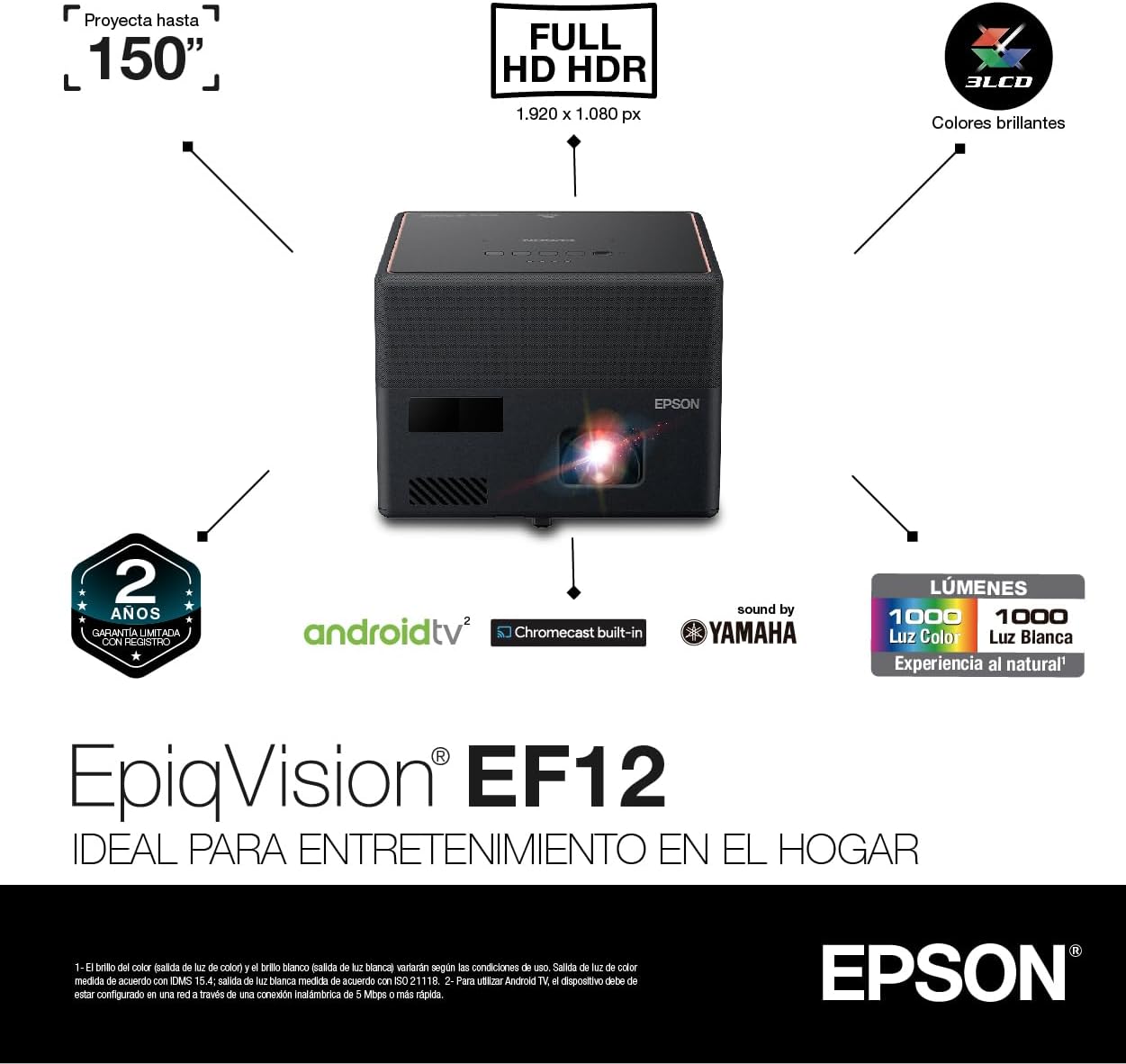
The EpiqVision Mini EF12 is the projector I recommend to people who are never going to build a theater, and I mean that as a compliment. It uses a laser light source, so there is no lamp to replace and no lamp hours to track. It runs Android TV, so the streaming apps live inside the projector instead of in a stick dangling off the back. It is rated 1000 lumens color and white, it handles HDR, and the sound comes from Yamaha.
One thousand lumens is not a lot, and I will not pretend otherwise. Point this at a white wall with the blinds open at 2 p.m. and you will get a washed-out image, same as any projector at this brightness. Put it in a bedroom, a rental apartment, or a den where you can pull the curtains, and it becomes a completely different machine. This is a lifestyle projector: pick it up, point it at a wall, stream something.
Laser also means instant on and instant off, which sounds like a small thing until you have waited for a lamp to warm up and then waited again for it to cool down before you can unplug it.
The built-in sound and the Android TV interface mean one cable and no receiver, which is the whole appeal. If you want a projector that disappears into a room instead of taking over a wall, this is the pick.
Best for Backyard Nights and Dorm Walls: Mini Projector 1080P
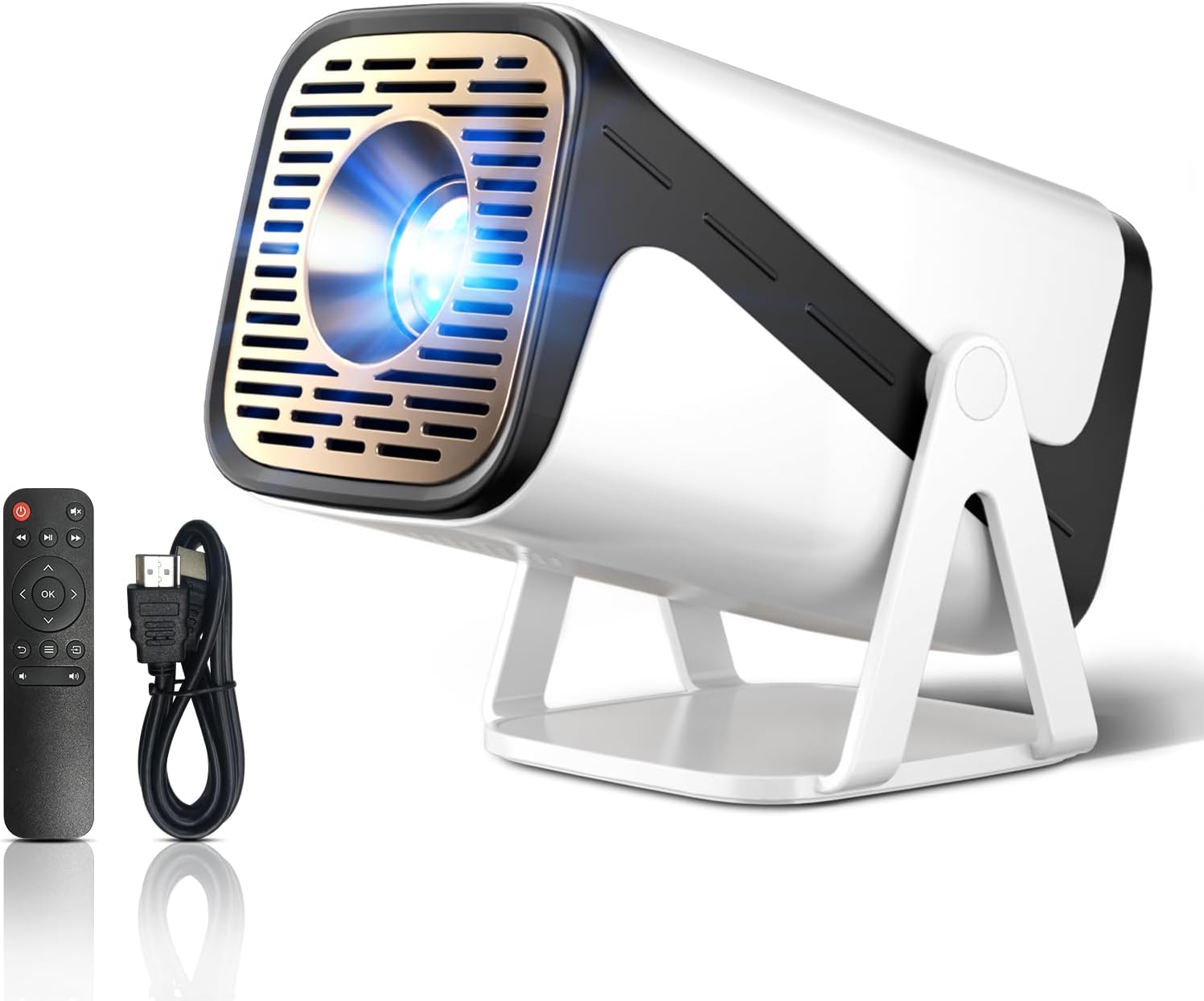
The 270 degree rotatable stand is the feature that matters here. Most of my pet peeves about budget projectors come down to aiming. A projector that needs a ladder, a shim, and two people to point it at the right part of a wall is a projector that never gets used. This one rotates on its own base, so you can set it on a table, aim it at a wall, or tilt it up at the ceiling for a movie in bed. That is the difference between a gadget that lives in a closet and one that gets used every week.
It is HDMI and USB plug and play, and it is built around a streaming stick, which is the right way to do it. Plug a TV Stick into the HDMI port, power it from the USB port, and you have a self-contained theater with no receiver and no cable run. For backyard movies, a dorm room, a kid's room, or a spare wall, that is a legitimate setup, not a toy.
Be realistic about the room, though. A portable projector in this class is at its best after dark and at its worst with the lights on. That is true of every projector, but it is more true the smaller the box gets. Treat it as an evening and outdoor projector and it will make you happy. Treat it as a replacement for the TV in a bright living room and you will be disappointed.
The Tool That Lives in My Install Bag: 12-Digit Desktop Calculator
Here is the part of the job nobody writes about: the math. Throw ratio, screen width, seating distance, lamp hours, and the budget conversation all happen before a single hole goes in a ceiling. Throw ratio is the one people get wrong most often. A ratio of 1.2 means 1.2 feet of distance for every foot of image width, so a 100 inch wide screen needs the projector roughly 10 feet back. That is a calculation you do standing in a client's living room with a tape measure in your teeth.
That is why a big-button desktop calculator lives in my install bag. This one puts a 12-digit display on a 5 inch LCD, which is readable at arm's length in a dark room, and the giant responsive buttons matter when you are typing numbers with one hand and holding a laser measure with the other. It runs on battery and solar, so it does not die in a basement with no outlet nearby. It is a calculator, not a projector, and I am not going to sell it to you as anything else. If you run screen math, budget math, or lamp-hour math more than twice a month, it earns its spot in the bag.
How I Judge a Projector Before It Goes on the Ceiling
Brightness first, always in ANSI lumens. A brand that publishes ANSI is telling you what the projector does with a full white field. A brand that publishes "lumens" is telling you a story. The number you need depends entirely on the room, because a blacked-out theater and a living room with west-facing windows are not the same purchase.
The lens second. Zoom and lens shift are what separate a projector you can install from a projector you have to fight. Lens shift moves the image without moving the projector, and that is the difference between a two-hour install and a two-weekend one.
Fan noise third. A projector that measures beautifully and sounds like a hair dryer at full power is a projector you stop using. Ask how loud it runs in the mode you will actually watch in, not the eco mode you will never touch.
Then the only test that matters: would I watch a full movie in my room with it? Not a demo reel, not a football game for twenty minutes. A two-hour movie with a dark scene in it, at night, with the lights where they will really be. That is the test.
The Projector Reference Table
This is the table I would sketch on a napkin for a client. Match the room to the pick, then check the price.
| Product | Best for | Spec sheet highlights | Notes |
|---|---|---|---|
 Visit on Amazon → Epson Home Cinema 1080 |
Dedicated, light-controlled rooms | 3-chip 3LCD, native 1080p | Visit on Amazon → |
 Visit on Amazon → Epson EpiqVision Mini EF12 |
Apartments, bedrooms, rentals | Laser light source, Android TV, Yamaha sound, Full HD 1080p, 1000 lumens color and white | Visit on Amazon → |
 Visit on Amazon → Mini Projector 1080P |
Backyards, dorms, ceilings | 1080p, 270 degree rotatable stand, HDMI and USB plug and play | Visit on Amazon → |
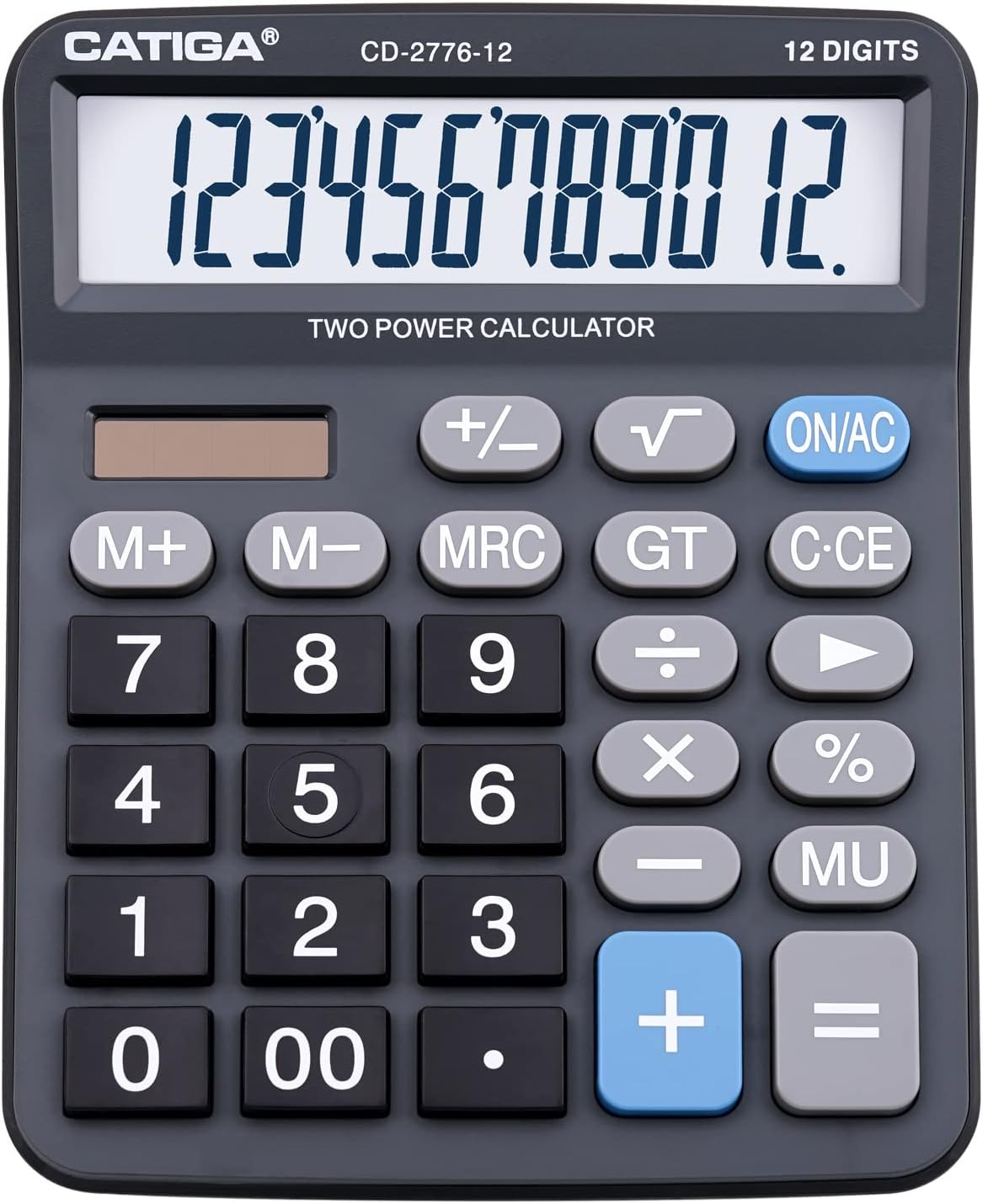 Visit on Amazon → 12-Digit Desktop Calculator |
Throw ratio and budget math | 12-digit, 5 inch LCD, giant buttons, battery and solar | Visit on Amazon → |
What the Specs Actually Tell You
Three things get marketed hardest and matter least, so let me name them.
"4K UHD" on a 1080p chip. Pixel shifting is real technology and it works, but it is not a native 4K panel, and the copy on the box rarely makes the distinction. If resolution is your priority, find out what the chip actually is before you pay for the badge.
Contrast ratio numbers. A single figure on a spec sheet cannot describe how a projector handles a dark scene in your room with your walls and your screen. Contrast is measured with your eyes in your room, not read off a box.
Brightness claims without ANSI. This is the one that costs people money. A projector that claims a huge number and delivers a washed-out image in a dim room is a projector that gets returned.
What does matter is shorter: the light source, because laser means no lamp to replace; the lens, because zoom and shift make an install possible; the throw ratio, because it tells you whether the projector can even sit where you need it; and fan noise, because a projector you can hear over dialogue is a projector you will not use.
Should you buy the Epson Home Cinema 1080?
Yes, if you have a room you can darken and you want a real theater. Three-chip 3LCD, native 1080p, and a design that is honest about what it is instead of dressing a 1080p chip up as 4K. It is the pick for a dedicated room or a light-controlled living room with a fixed screen. If your room has windows you cannot cover, spend your money on curtains first. Room control beats hardware every time, and this projector is the one that rewards you for doing that work.
Should you buy the Epson EpiqVision Mini EF12?
Yes, if you want one box that does everything: a laser light source with no lamp to replace, Android TV built in, Yamaha sound, and a footprint you can carry from room to room. Just be honest about 1000 lumens and keep it in a room you can dim. This is the projector for people who want to watch something tonight, not build something for a year.
Should you buy the mini projector with the rotatable stand?
Yes, for a specific job: backyard movies, a dorm room, a bedroom ceiling, a spare wall. The 270 degree rotatable stand is the reason to pick it over another budget box, because aiming is the part that kills cheap projectors. Plug in a streaming stick, wait for dark, and it will overdeliver for what it is. Just do not ask it to beat a window at noon.