I have hung projectors in blacked-out basements and in living rooms with three west-facing windows, and the gap between those two rooms is wider than the gap between a $600 projector and a $6,000 one. That is the lens I want you to read this 4K projector comparison through. The four products below do not compete with each other in any normal sense. One is a portable outdoor projector built for a bedsheet on a fence, one is a flexible laser home theater unit, one is a native 4K flagship for a dedicated room, and one is a twelve-pack of microfiber cloths that costs less than a movie ticket and keeps the optics on the other three alive.
Related: Projector Placement And Throw Ratio Basics
The best 4K projector here for most rooms is the Optoma UHZ50. It pairs a laser light source and 3,000 lumens with a 1.3x zoom and vertical lens shift, which is the combination that survives a real install. The Sony VPL-XW5000ES is the better projector and the worse value unless you have a light-controlled room and a screen that can show off native 4K. The AuKing is a backyard machine with a serious brightness claim. The cloth is the thing you should buy along with any of them.
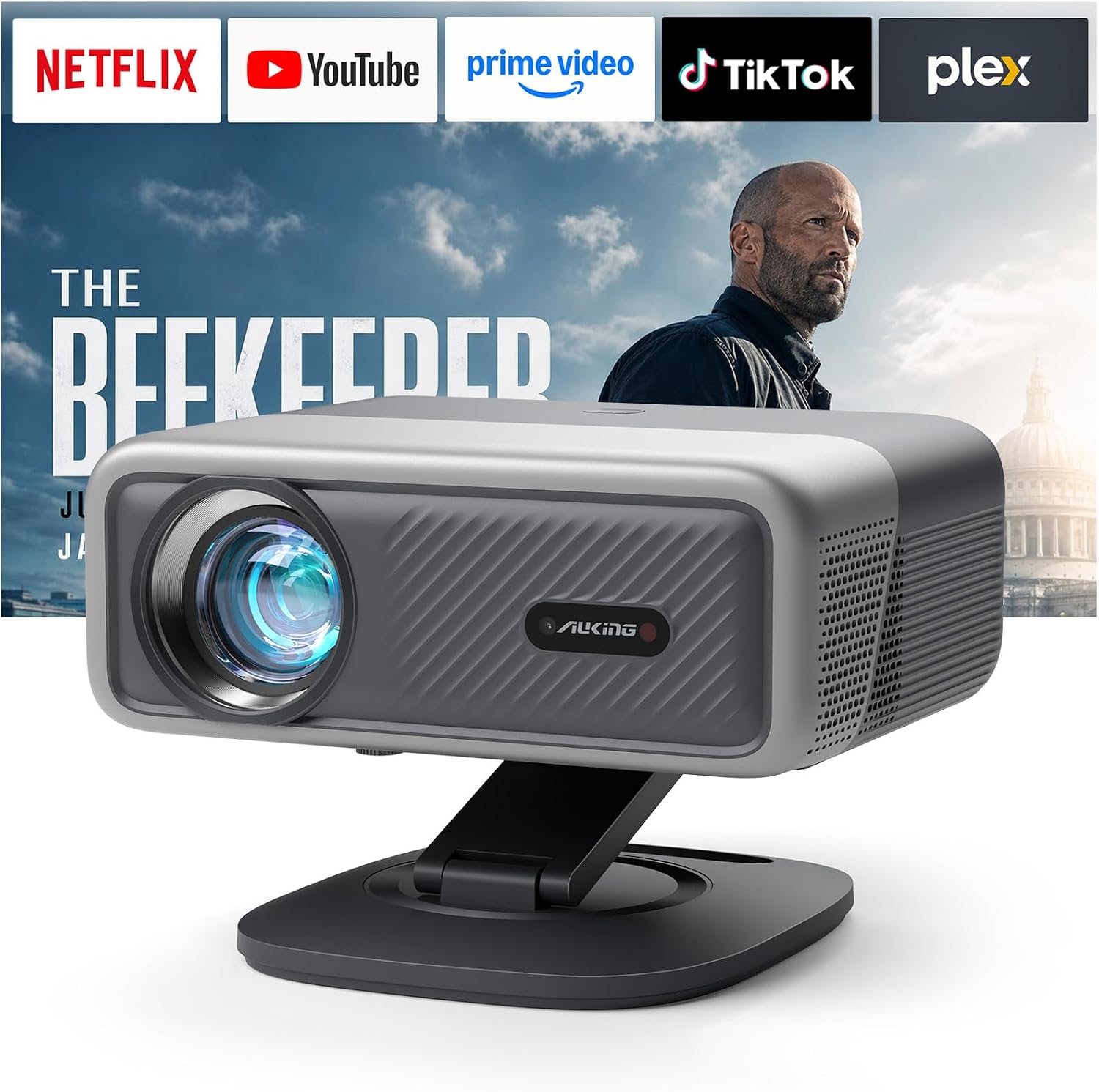
AuKing 5000 ANSI & 70W Dolby 4K Outdoor Projector with Auto Focus
Auto focus, built-in 70W Dolby audio, and a body meant to be carried outside and set up in minutes
An outdoor projector trades contrast and fan noise for light output, and a 5,000 ANSI claim needs a real-room test before you believe it

HOMEXCEL 12PK Microfiber Cleaning Cloth, Cleaning Rag for Home, 11.5x11.5in
Twelve soft, lint-light cloths for lens glass, screens, and the dust that eats contrast
It is not a projector and does nothing for brightness, throw ratio, or black level
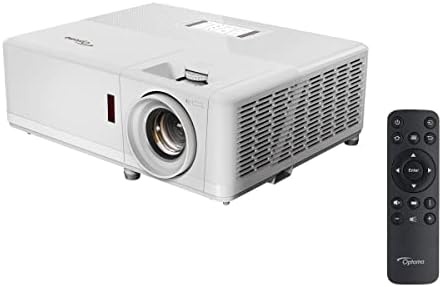
Optoma UHZ50 Smart 4K UHD Laser Home Theater Projector
3,000 lumens, a laser light source with no lamp to replace, 1.3x zoom, vertical lens shift, and a smart platform that works with Alexa and Google
It is a 4K UHD DLP design rather than native 4K panels, so you are buying pixel shifting and DLP black level
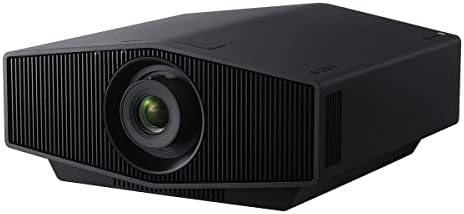
Sony VPL-XW5000ES 4K HDR Laser Home Theater Projector with Native 4K SXRD Panel, Black
Native 4K SXRD panels and a laser light source, which is the reference image in this group
It costs flagship money and it will expose a bright room and a cheap screen without mercy
Prices and availability were captured from Amazon Creators API and may change.
What each of these is actually for
The AuKing 5000 ANSI & 70W Dolby 4K Outdoor Projector with Auto Focus is the one you carry outside. Read the name carefully, because it is doing a lot of work: 5,000 ANSI, 70W Dolby, 4K, auto focus. Auto focus matters more than people expect when the unit is sitting on a picnic table and somebody bumps it between movies. The 70W audio means you do not have to haul a soundbar into the yard. This is a projector for a bedsheet on a fence, a tailgate, a camping trip, a birthday party where the movie starts at dusk and nobody is measuring black level.
The Optoma UHZ50 is the all-rounder. A smart 4K UHD laser home theater projector, 3,000 lumens, HDR adjustment options, cinematic color claims, 1.3x zoom and vertical lens shift, and voice control through Alexa and Google. That list reads like an install checklist rather than a spec sheet, and that is the highest compliment I can give a projector. Laser means no lamp hours to count and no bulb to buy in year three. Zoom and shift mean you can put it on a shelf instead of drilling a mount into a joist.
The Sony VPL-XW5000ES is the dedicated-room projector. Native 4K SXRD panel, 4K HDR, laser light source, black chassis. Native panels mean no pixel shifting, and that is the difference you are paying for. This is the one you plan a room around, not the one you set on an end table.
The HOMEXCEL 12PK Microfiber Cleaning Cloth is the supporting actor, and it is not optional. Twelve cloths at 11.5 by 11.5 inches, sized for lens glass and screen surfaces.
Brightness is the spec that decides everything
Lumens are a promise. ANSI lumens are a fact. If a brand will not say ANSI, assume the worst, and when a brand does say ANSI on a portable outdoor unit, still treat the number as a claim until it survives your room.
Here is the practical version. The Optoma publishes 3,000 lumens, and 3,000 honest lumens is enough for a living room with blinds you actually close and a screen that is not fighting a white wall. The Sony does not need to win a brightness war because it is built for a room where you control the light. The AuKing claims 5,000 ANSI, which is a big number for a portable unit, and if it lands anywhere near that in a dark yard, it will look spectacular on a sheet. Outdoors at dusk is the easiest room in the world, because the "screen" is the only bright thing in frame.
The mistake is buying brightness to fix a room. A bright projector in a bright room gives you a washed-out image with more foot-candles of fog. Curtains, blinds, and a dark wall behind the screen do more for contrast than any spec on the box.
Native 4K versus pixel shifting
This is where the Sony and the Optoma part ways. The Sony uses native 4K SXRD panels, which means the chip itself resolves the resolution. The Optoma is a 4K UHD DLP design, which means pixel shifting: the chip throws the image and shifts it to fill in the gaps. On a 120-inch screen from ten feet away, pixel shifting works. I have said it for years and I will keep saying it. You will not see the difference on a movie.
You will see the difference in fine text, in a spreadsheet, and in the sharpness of a slow pan across a detailed landscape. You will also see the difference in black level, because DLP and SXRD handle dark scenes differently, and the SXRD panel is the one that makes a starfield look like a starfield instead of a gray haze. That is a real advantage. It is also a real price gap.
Lens shift, throw ratio, and the ladder problem
Throw ratio is how far the projector must sit from the screen: 1.2 means 1.2 feet of distance for every foot of image width. Get it wrong and you are either moving furniture or buying a different screen.
This is why the Optoma wins the comparison for most people. A 1.3x zoom gives you room to fix a placement mistake, and vertical lens shift lets you move the image up or down without tilting the projector and introducing keystone correction, which softens the picture. Any projector that needs a ladder to adjust the image is a projector I resent. Adjustability is not a luxury feature. It is the difference between an install that takes an afternoon and one that takes three weekends.
The Sony is a fixed-install projector. You decide where it goes, you build the room around it, and you leave it alone. That is fine when you have a dedicated space and a plan. It is miserable when the room is also a guest bedroom.
Fan noise, black level, and the room you actually have
Fan noise is the spec nobody publishes in a headline and everybody notices in hour two of a quiet drama. Portable outdoor units run hot and loud because they are pushing a lot of light out of a small box. Dedicated home theater projectors are quieter because they have bigger chassis and, usually, a room where noise is controlled.
Black level is the other one. Contrast ratio marketing numbers are fiction. Real contrast is what you see in your room, on your screen, with your curtains, at the brightness setting you actually watch at. A projector with a great contrast figure and a white ceiling will look worse than a midrange projector in a dark room. That is not a projector problem. That is a room problem.
The accessory that protects the whole investment
Nobody budgets for the cloth until the lens has a fingerprint on it. Do not use paper towels, do not use a t-shirt, and do not use glass cleaner on a coated lens. Dust is the enemy of contrast, and a smeared lens coating is permanent. The HOMEXCEL 12-pack gives you dedicated cloths: one for the lens, one for the screen, one for the filter vents, and spares so you are never tempted to reuse a dirty one. It is the cheapest insurance in this entire comparison.
How I would spend the money
For a backyard, a tailgate, or a family that wants a movie on a sheet by Friday: the AuKing outdoor projector is the pick. Auto focus and built-in audio mean fewer boxes to carry, and you are watching at dusk, which is the most forgiving room there is. Visit on Amazon and check the current price before you commit.
For a living room that has to work during the day and look good at night: the Optoma UHZ50. Laser light source, 3,000 lumens, and the zoom and lens shift that make a retrofit possible without a contractor. Visit on Amazon.
For a dedicated theater with controlled light and a screen worth the money: the Sony VPL-XW5000ES. Native 4K SXRD and a laser engine, and it will reward every dollar you put into the room around it.
And for all three of those setups: the HOMEXCEL microfiber cloths. Visit on Amazon, buy the twelve-pack, and keep one in the box with the remote.
The bottom line
Buy for the room, not the spec sheet. If the room is a yard at dusk, the AuKing is the honest answer and its 5,000 ANSI claim will have the easiest job in the world. If the room is a living room with windows and a shelf, the Optoma UHZ50 covers the most ground because it combines real brightness with an install-friendly lens. If the room is a theater you are building on purpose, the Sony VPL-XW5000ES is the projector that justifies the project. And whichever one you choose, keep a microfiber cloth next to it, because a clean lens is free contrast.