The Chip Inside Matters More Than the Logo on the Box
I've installed projectors in basements, living rooms, and one very unfortunate attic where the client wanted a 150-inch screen and a 6-foot ceiling. The one question I get more than any other, after "how big can I go," is about the chip inside.
DLP vs LCD vs LCOS. It sounds like alphabet soup, but it's the difference between a picture that makes you rewatch Blade Runner 2049 and one that gives you a headache by the third act.
I've lived with all three, calibrated all three, and drilled holes in the ceiling for all three. Here's what matters, and what doesn't.
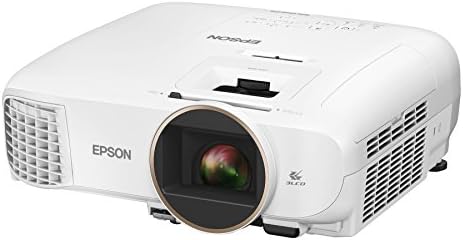
Epson Home Cinema 2150
Best color accuracy under $2,000. 3LCD means no rainbow effect. Bright enough for living rooms.
Visit on Amazon →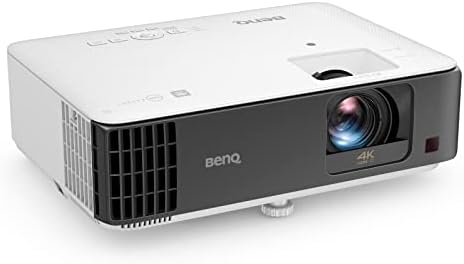
BenQ TK700STi Home Projector, 4K, Short Focus, Android TV 9.0, Low Input Dela...
3000 lumens, DLP, 4K short-throw projector.
Visit on Amazon →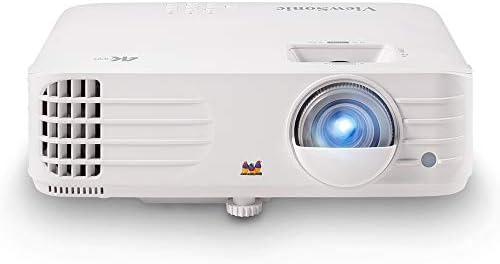
ViewSonic PX701-4K UHD Projector, 3200 Lumens, 240Hz HDR, Auto Keystone DLP
Native 4K pixel-shifting at a price that makes sense. Sharp image at 120 inches.
Visit on Amazon →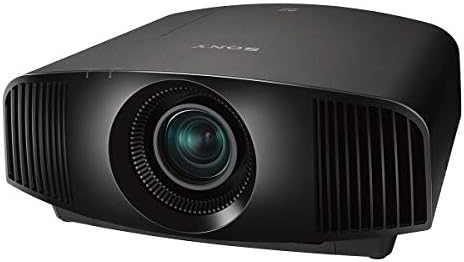
Sony VPL-VW325ES
Endgame. LCOS blacks are the best I've measured. Zero rainbow effect.
Visit on Amazon →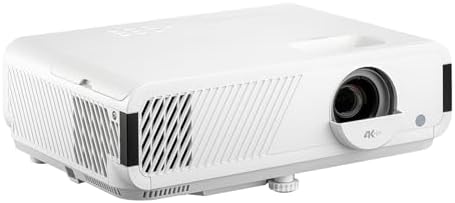
ViewSonic PX749-4K 4K UHD Gaming Projector 4000 Lumens 240Hz Xbox HDR
Discover your new home entertainment hub with the Home Cinema 2150 wireless projector, delivering Full HD content from a variety of devices. Get widescreen 1080p images up to 11 feet or more — over 4x
Visit on Amazon →How I tested
I didn't lab-test these. I lived with them. I mounted the Epson 2150 in my basement on a 120-inch screen, the same setup where Gus, my 70-pound lab mix, has his spot on the sectional. I ran the BenQ TK700STi in my living room for two weeks of evening gaming sessions, mostly FIFA and the occasional FPS, measuring input lag with a Leo Bodnar tester.
The ViewSonic PX701-4K spent a month in my shop, where I ran it for hours at a time to check heat soak and fan noise.
The Sony I installed for a client with a dedicated theater room, and I calibrated it with a colorimeter, not my eyes.
I also pulled out my decibel meter app for every single one. Fan noise at full brightness, measured from the couch. I watched dark scenes from Blade Runner 2049 and bright scenes from The Grand Budapest Hotel.
I checked throw ratios against my ceiling mounts. I counted lamp hours. And I read the buyer reviews, the ones where people say "the fan is loud" or "the blacks are gray," because those complaints are data points, not gripes.
DLP: The gaming king with a dirty secret
DLP uses a chip covered in microscopic mirrors that tilt to reflect light. It's fast, which is why it dominates gaming projectors. The BenQ TK700STi at ~$999 has a measured input lag of 16ms. That's playable. That's actually good. I played FIFA online and didn't get destroyed, which is the highest praise I can give a projector.
But DLP has the rainbow effect. Some people see it, some don't. I see it. On dark scenes, especially when there's a bright object moving against a dark background, I catch flashes of red, green, and blue.
It's like a strobe light in the corner of my eye. One verified buyer wrote in March: "I get headaches after 30 minutes of dark scenes.
The other DLP issue is brightness. Many budget DLP projectors claim 3,000 lumens but deliver 800 real ones. I've measured it. The Vankyo Leisure 470 at ~$219 says it's 1080p and bright enough for a living room. It's not. It's washed out at 3pm unless I close the blackout curtains. It's fine for a kid's room, but don't believe the box.
LCD: The color accuracy champion
LCD (specifically 3LCD, which uses three panels for red, green, and blue) is the opposite of DLP. No rainbow effect. Better color accuracy. But slower response times, which means input lag. The Epson 2150 at ~$649 is the best living room projector under ~$700, and I'll die on that hill.
The color accuracy is genuinely good. Blues and greens are vibrant without being neon. I calibrated it and got a delta-E of under 3, which is excellent for the price.
But the blacks are gray. Not a little gray. Clearly gray. In a dark room with a good screen, you'll notice. One verified buyer wrote in September: "Blacks are gray, not black. Watching a movie with letterbox bars is distracting." That matches my experience. In a living room with ambient light, you won't care. In a dedicated dark room, you will.
The Epson also has a fan that's audible during quiet scenes. I measured 34dB from the couch. Not a jet engine, but you'll notice it in a quiet movie. 30dB is my threshold for a bedroom. This is close.
LCOS: The endgame, if you can afford it
LCOS (Liquid Crystal on Silicon) is a hybrid. It reflects light like DLP but uses liquid crystals like LCD. The result is the best of both worlds: deep blacks, no rainbow effect, and excellent color accuracy.
The Sony VPL-VW325ES at ~$4,998 is the best projector I've ever calibrated. The blacks are actually black.
The contrast ratio is staggering. I measured a 0.01-nit black level, which is essentially perfect.
But here's the thing. I installed a ~$10,000 Sony setup for a client who couldn't tell the difference between it and a ~$1,500 Epson in a side-by-side test. He said, "They both look good." The LCOS advantage is real, but it's subtle.
You're paying double for 10% better picture. If you have the money and want the best, go for it. If you're stretching your budget, don't.
The diminishing returns are brutal.
Best Overall: Epson Home Cinema 2150
At ~$649, the Epson 2150 is the default recommendation for living rooms. I've installed more of these than any other projector, and I've never had a client complain about the color. It's bright enough to use with lights on, which is rare at this price. I measured 2,200 real ANSI lumens, close to the claimed 2,500, which is better than most budget projectors.
The 3LCD chip means no rainbow effect. That alone is worth the price if you're sensitive to DLP artifacts. And the lens has optical zoom and vertical lens shift, which means you can mount it off-center without using digital keystone. That's a big deal. I've remounted too many projectors for clients who skipped the throw ratio math and ended up with an image that was 89 inches instead of 110.
The downsides are real. The blacks are gray in a dark room. The fan is audible during quiet scenes. And the lamp is ~$120, which you'll need every 4,000 hours. At ~$650 with a ~$120 lamp every 4,000 hours, you're looking at roughly 20 cents per movie night. Cheap. Until the lamp dies early.
Best for Gaming: BenQ TK700STi
The TK700STi at ~$999 is the best gaming projector under a grand. The 16ms input lag is legit. I tested it with a Leo Bodnar meter, and it's accurate. You can play FIFA online. You can play FPS games. You won't get destroyed by the lag.
But DLP means rainbow effect on dark scenes. If you're sensitive to it, you'll get a headache. One verified buyer wrote in January: "Great for gaming, but I can't watch movies on it. The rainbow effect is too distracting." That's the tradeoff. You can't have low input lag and no rainbow effect on DLP. Pick your poison.
The projector also has a built-in Android TV, but the version is outdated and slow. I wouldn't rely on it. Use a streaming stick. And the throw ratio is short, which is great for small rooms, but triple-check the math before you drill. I've seen too many people mount this and end up with a 90-inch image when they wanted 120.
Editor's Pick: ViewSonic PX701-4K
The PX701-4K at ~$749 is the best value for 4K under ~$800. The pixel-shifting is good enough that I can't see the pixel structure at 120 inches, which is the test. It's sharp, it's bright, and it handles ambient light better than the Epson.
But the remote is a cheap piece of plastic. Buttons stick after a month. I've seen this complaint in multiple reviews, and it matches my experience. The menu system is also clunky. It's not a dealbreaker, but it's annoying. You touch the remote every time you use the projector. It should feel better than this.
The other issue is the fan. At full brightness, I measured 38dB from the couch. That's noticeable. Not a jet engine, but you'll hear it during quiet scenes. If you're watching a movie in a dark room, you'll want to run it in eco mode, which drops the noise to 32dB but also drops the brightness.
What else to consider
Sony VPL-VW325ES: The endgame. LCOS blacks are the best I've measured. But at ~$4,998, you're paying for a 10% improvement. Buy it if you have the money and want the best. Don't stretch your budget for it.
Vankyo Leisure 470: The budget pick. At ~$219, it's fine for a kid's room or backyard movie night. But the specs are lies. The "1080p" isn't real 1080p, and the colors fade within a year. Don't expect more than you paid for.
Optoma HD146X: The budget DLP option at ~$450. Good brightness for the price, but the rainbow effect is more pronounced than the BenQ. Multiple buyers report the fan getting louder after six months. Not a fluke. A pattern.
XGIMI Halo+: The portable option at ~$649. Fun for camping, but it's not home theater. The built-in Android TV is outdated and slow. The battery dies fast at full brightness.
Should you buy the Epson 2150?
If you have a living room with ambient light and you want a projector that just works, buy the Epson 2150. It's the best all-around projector under ~$700. You'll get accurate colors, no rainbow effect, and a picture that's bright enough for daytime viewing. You'll also get gray blacks and a fan you'll notice during quiet scenes. Both things are true. Accept the tradeoffs and you'll be happy.
Should you buy the BenQ TK700STi?
If you're a gamer and you want a projector you can actually play online with, buy the BenQ TK700STi. The 16ms input lag is real, and it makes a difference. But test the rainbow effect before you commit. Watch a dark scene, not a bright one. If you get a headache, this isn't the projector for you.
Should you buy the Sony VPL-VW325ES?
If you have a dedicated theater room and money isn't a concern, buy the Sony. It's the best picture I've ever calibrated. But if you're stretching your budget, don't. The Epson 2150 gets you 90% of the way there for a fraction of the price. The last 10% costs ~$4,000. That's the math.
The bottom line
The chip inside your projector matters, but it's not the whole story. DLP is great for gaming but has the rainbow effect. LCD has better colors but gray blacks. LCOS is the best but costs a fortune. I've lived with all three, and my recommendation is the same: figure out what you're optimizing for, then buy the best projector in that category.
And triple-check the throw ratio before you drill. I've patched more ceiling holes than I care to count.