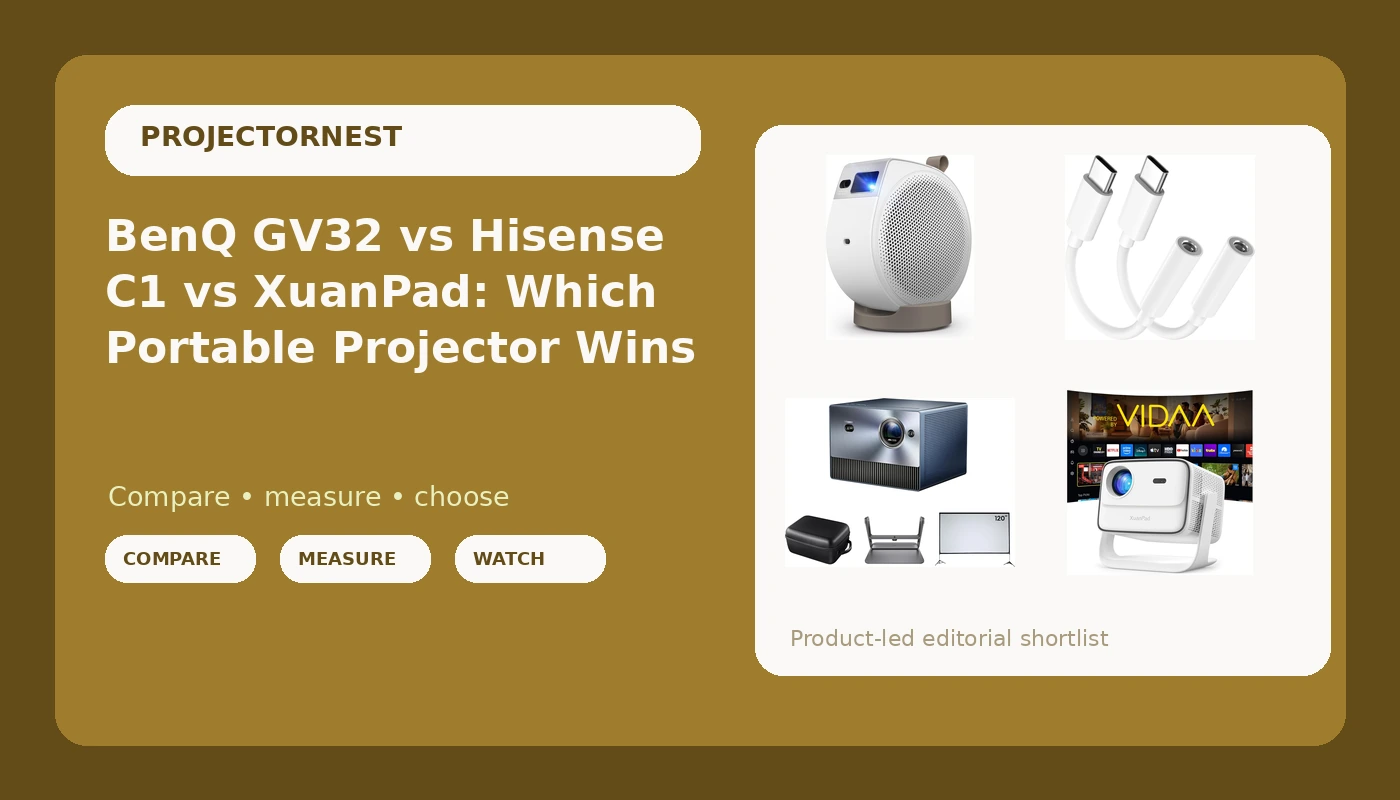
I have installed projectors in rooms with zero windows and rooms where the sun wins by 10 a.m., and I have learned that the spec sheet is a starting point, not an answer. This portable 4K projector comparison covers four items that landed on my list this month: a bright-claim smart projector from XuanPad, BenQ's small LED portable, a renewed Hisense laser bundle with a screen in the box, and a low-cost USB-C audio adapter that solves a problem nobody plans for until movie night goes silent. I work out of Raleigh, I keep a 120-inch screen in the basement, and I keep a colorimeter on the shelf next to it, because the two things I check first are real ANSI lumens and whether the lens lets me put the image where I want it.
If you want one answer: the Hisense C1 bundle is the pick for a real movie night, the BenQ GV32 is the pick for a genuinely dark room and a modest image size, the XuanPad is the value gamble on brightness, and the USB-C adapter is the cheap fix that saves an evening. That is the short version. The longer version is below, and it involves light source, throw distance, and what each listing actually promises versus what it proves.
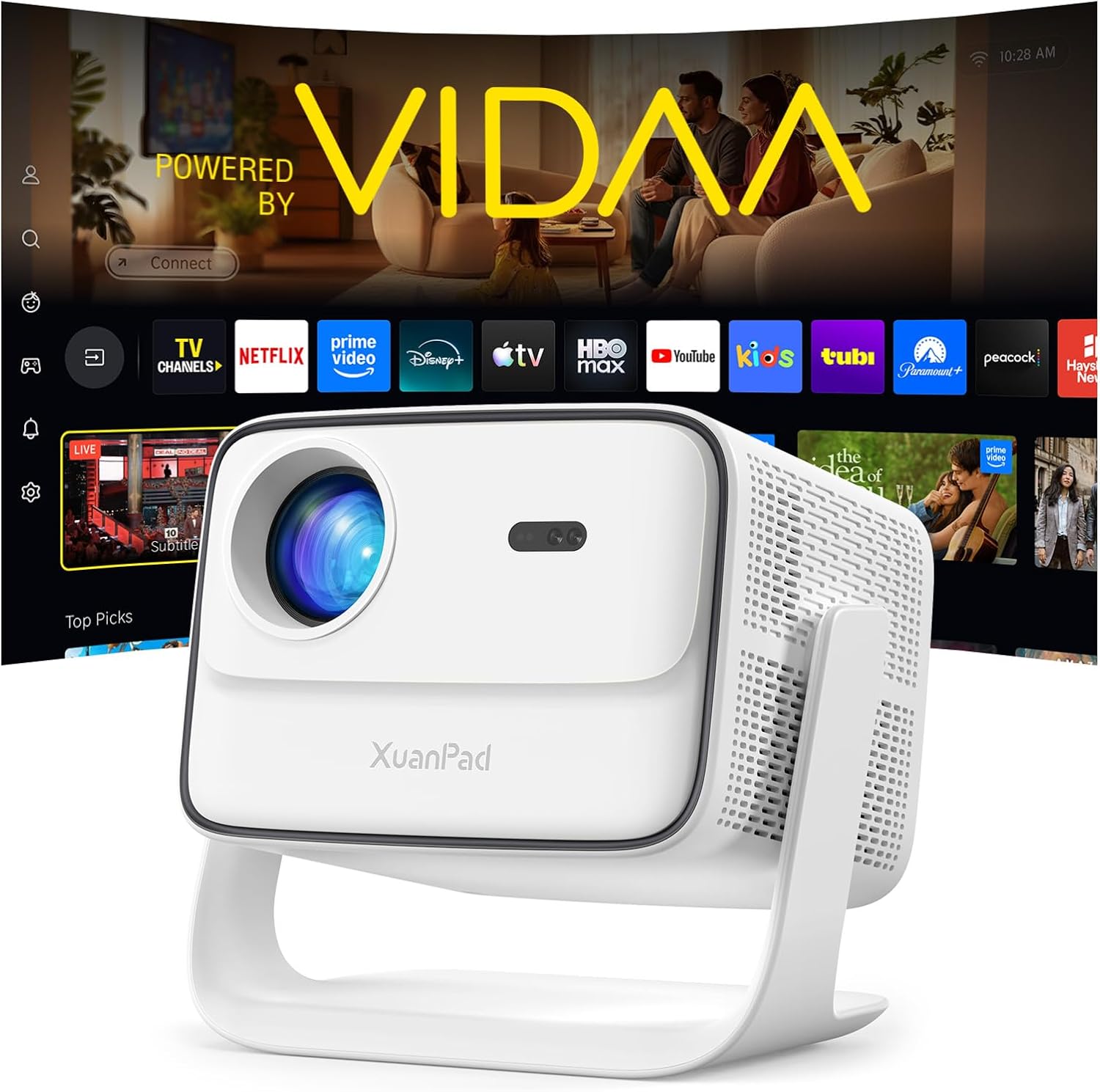
XuanPad 4K smart projector with VIDAA Live TV and Netflix
Built-in streaming, 42W Dolby audio, auto focus and keystone, and the biggest brightness claim in this group
A 6000 ANSI claim in a product title is marketing until someone measures it, and I have not measured this one
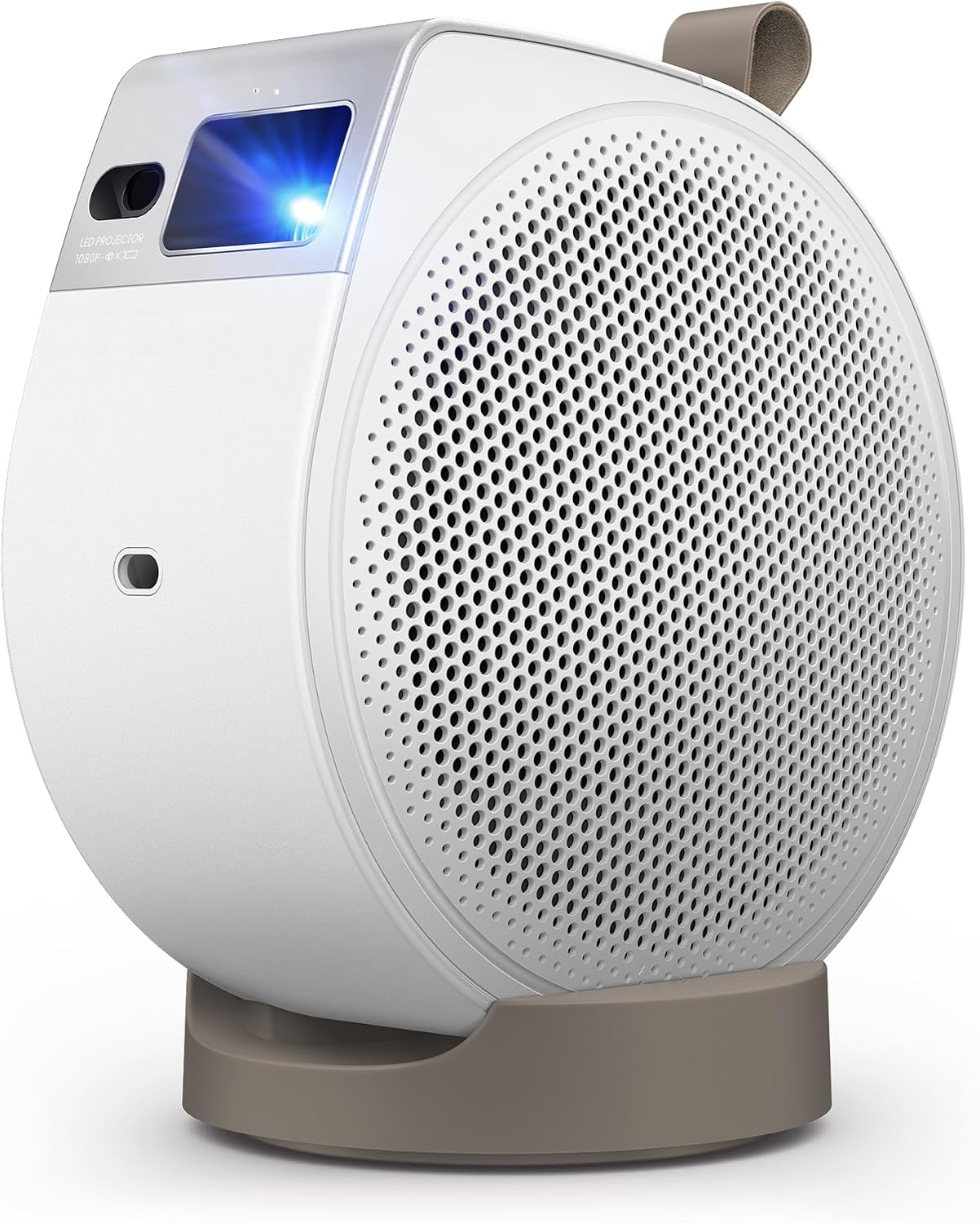
BenQ GV32 Portable Smart LED Projector
BenQ publishes an ANSI figure, 500 lumens, and the brand's install-friendly reputation holds up
500 ANSI lumens is a dark-room number, so a lit living room at 120 inches is out of reach
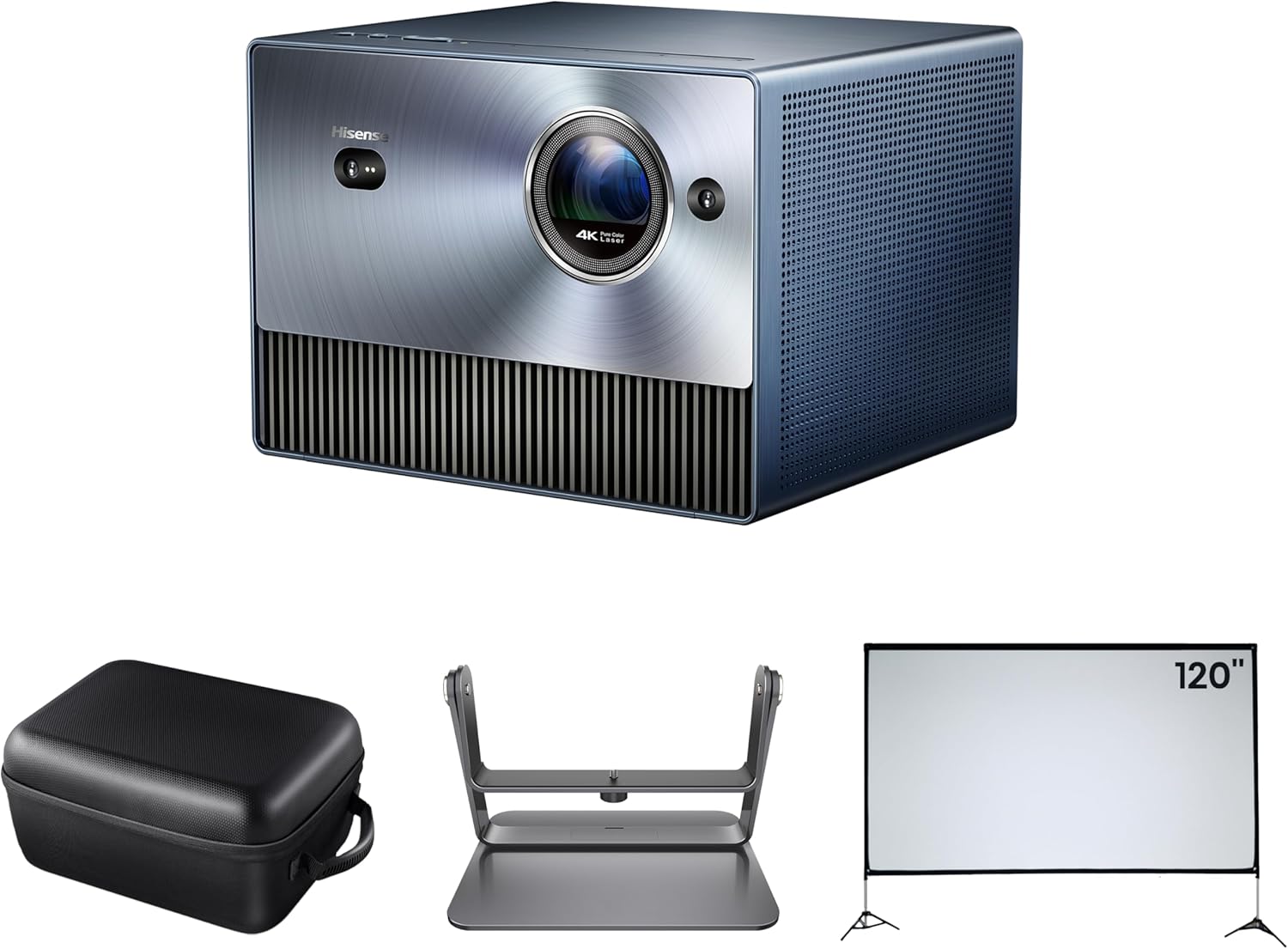
Hisense C1 Bundle with 120-inch screen, carry case, and gimbal
Triple laser light source, 4K UHD, Dolby Vision HDR, 110% BT.2020 coverage, and the screen comes with it
Renewed stock means condition varies, and the bundle is the most expensive projector here
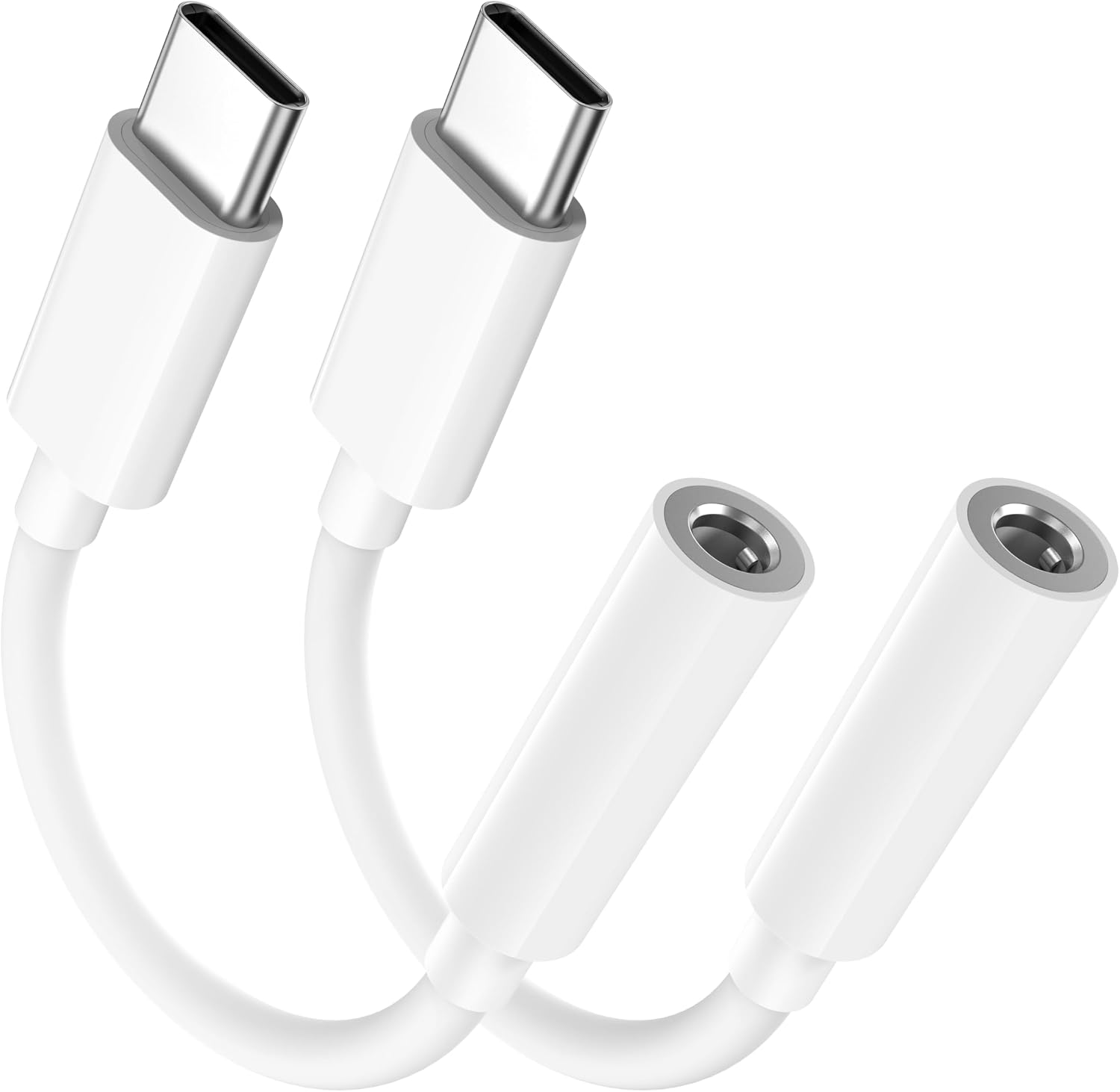
2 Pack USB C to 3.5mm Headphone Jack Adapter
Turns a phone, tablet, or laptop with no headphone jack into a source you can feed to headphones or a soundbar
It is a dongle, not a projector, and it will not fix bad speakers or a weak HDMI signal
Prices and availability were captured from Amazon Creators API and may change.
What actually decides these picks
Three specs sort this group faster than anything on a marketing page. The first is brightness, and I only trust it when it is quoted in ANSI lumens. The second is the light source, because lamp, LED, and laser behave differently over a five-year ownership window. The third is placement flexibility: throw ratio and whether the image can be moved without physically dragging the unit across a table.
A lamp projector needs a new bulb eventually and runs hot. An LED projector like the BenQ GV32 runs cooler and lasts longer but tops out at modest brightness. A laser projector like the Hisense C1 holds brightness longer, runs quieter in my experience, and usually carries the best color. That hierarchy explains almost every recommendation in this article.
One more thing before the picks: auto keystone and auto focus are convenience features, not image quality features. They get you a rectangle in thirty seconds. They do not make a soft lens sharp, and they do not create contrast that was never there.
XuanPad 4K smart projector: the brightness gamble
The XuanPad listing leads with a 6000 ANSI claim, and that number is doing a lot of work. My rule is simple: lumens are a promise, ANSI lumens are a fact, and if a brand quotes a number without a measurement standard behind it, assume the worst until proven otherwise. I have not measured this unit, so I am not calling that figure true or false. I am saying it is unverified, and you should treat it that way.
What is not in dispute is the feature list. VIDAA Live TV and Netflix are built in, so you do not need a streaming stick hanging off the back. There is WiFi and Bluetooth, AI voice control, auto focus and keystone, and a 42W Dolby audio system, which is a lot of onboard sound for a portable. On a camping trip or a backyard setup where you do not want to haul a soundbar, that matters.
Where it can go wrong: onboard audio that loud usually means a fan working hard nearby, and auto keystone that runs constantly can soften the image as it corrects. If you buy this one, run it in a dark or heavily shaded space, keep the image around 100 inches, and check the return window carefully.
BenQ GV32: the honest one
The GV32 says 500 ANSI lumens right in the name, and that honesty is exactly why I trust the rest of the spec sheet more. BenQ is the brand I recommend for gaming setups, and the company tends to publish numbers that survive a meter. A portable LED at 500 ANSI lumens is not a living room projector. It is a bedroom, tent, or blacked-out basement projector, and it is very good at that job.
The pitch here is portability plus a smart platform. Small footprint, LED light source with a long service life, and streaming built in. For a kid's room, a dorm, or a travel setup where you are projecting onto a wall at 60 to 80 inches, 500 ANSI lumens is plenty. Push it to 120 inches in a room with a lamp on and you will be watching a fog, which is the same warning I give about every dim projector.
If your plan is a dedicated dark room and a permanent screen, this is the safest of the three projectors because the published brightness will not surprise you. If your plan is a bright living room at 120 inches, no amount of brand trust fixes physics.
Hisense C1 bundle: laser, 4K, and the screen in the box
The C1 bundle is the one I would put in my own basement. A triple laser light source means no lamp to replace, which is the single biggest long-term cost difference in this comparison. It is 4K UHD with Dolby Vision HDR, and Hisense quotes 110% BT.2020 color coverage, which is the kind of claim that shows up in the image rather than on a sticker. Add a smart OS, and you have a projector that does not need a media player to be useful.
The bundle is the real story. A 120-inch outdoor screen, a carry case, and a gimbal are included, which covers the three things people forget to budget for: the surface, the transport, and the stand. Hisense rates it up to 300 inches, and I will say plainly that 300 inches is a spec, not a recommendation. Every inch you add spreads the same light over more area, so a bigger image is a dimmer image. Around 120 inches is where a projector like this looks its best.
The catch is the word renewed. Renewed stock means the unit has been through someone else's hands. Before it ships to you, confirm the warranty terms, confirm the screen and gimbal are in the box, and inspect the lens and chassis the day it arrives. Laser projectors have no lamp hours to worry about, which is one less unknown, but cosmetic and accessory issues are the usual renewed risk.
The USB-C adapter: the cheapest fix in this comparison
This two-pack of USB-C to 3.5mm adapters has nothing to do with throw distance, and it belongs in the article anyway, because audio is where movie nights fail. The adapter is HiFi-rated and listed as compatible with iPhone 17, 16, and 15 models, iPad, Samsung Galaxy S26, S25, S24, and S23, and Pixel phones.
Here is the scenario. You are feeding a projector from a phone or a tablet, or you want to run headphones so the movie does not wake the house at midnight. The source device has no headphone jack. Without a dongle, your options are Bluetooth with its latency, or nothing. With one, you plug into a soundbar, a headphone amp, or a wired headset and you are done.
Two of them in the pack is the right configuration, because these things live in a bag and disappear. It will not improve your picture, and it will not fix a projector with weak speakers. It solves one specific problem, and it solves it for very little money.
Where each one loses
The XuanPad loses on proof. Its brightness figure is the largest here and the least verifiable, and buyers who need a guaranteed result in a bright room are taking a chance. The BenQ GV32 loses on headroom: 500 ANSI lumens is a hard ceiling, and there is no setting that changes it. The Hisense C1 loses on condition and price, because renewed inventory and a full bundle cost more than a bare projector. The adapter loses on scope, since it is an accessory and not a display.
Notice that none of those losses are about picture quality in a controlled room. In a blacked-out space, all three projectors can look good. The differences show up when the room is not cooperating, which is most rooms.
What I would do with my own money
For a dedicated dark room and a permanent screen, I would buy the Hisense C1 bundle. Laser, 4K, Dolby Vision, and a screen included is a combination that is hard to beat, and renewed stock is a manageable risk if you check the warranty. This is the one I would calibrate and leave hanging.
For a bedroom, a dorm, or a travel kit, I would buy the BenQ GV32. The published 500 ANSI lumens tells me exactly what I am getting, and a small LED projector that behaves predictably beats a big claim that does not.
For a backyard or a bright multipurpose room where you want the brightest possible image on a budget and you can accept uncertainty, the XuanPad is the gamble, and the built-in streaming and 42W audio make it a self-contained package.
And regardless of which one you pick, the adapter goes in the bag. It costs less than a movie ticket and it has saved more evenings than any cable I own.
What to check before you order
Confirm the return window, because projector returns are common and you want the option. Confirm the screen size you actually need, then match it to the brightness you have. Confirm whether the listing quotes ANSI lumens or just lumens. Confirm that your source device has the ports the projector accepts, or budget for an adapter. And if the unit is renewed, confirm the warranty before you click.
I am calibrating two rooms this month, one fully blacked out and one with windows and a lamp I cannot control, to see which of these projectors survives real life rather than a test pattern. That report is coming, and it will include meter readings, not adjectives.