Projector shopping usually goes wrong in one of two ways. Either you buy the biggest numbers on the box and end up with a dim, washed-out image fighting a window, or you buy the cheapest thing that claims 1080p and watch it go soft the moment you stretch it past 100 inches. The best home theater projectors are not the ones with the loudest marketing. They are the ones that match your room, your seating distance, and how much light you can genuinely control.
That is the whole problem this roundup is built around. Six projectors here represent six different answers: a 4K PRO-UHD 3LCD workhorse for permanent installs, a short-focus gaming model, a bright DLP 4K unit, a Google TV lifestyle projector, a wireless 1080p install projector, and a small portable that comes with its own screen. The specs below come from what each manufacturer puts in the model name, not from a lab bench, and I have flagged where a claim needs a closer look before you spend money.
Related: How to Choose a Projector Screen for Your Room
Quick answer
The Epson Home Cinema 3800 4K PRO-UHD 3-Chip 3LCD Projector with HDR Technology is the strongest fit for most living rooms and dedicated theaters because it pairs 4K PRO-UHD 3-chip 3LCD imaging with HDR support in a Home Cinema chassis built for a fixed install. Choose the BenQ TK700STi instead when your seating is close to the wall and you want short-focus placement plus low input delay for games.
Home theater projectors worth comparing
These six cover the realistic spread of what people actually buy: a mainstream 4K install projector, a short-throw gaming pick, a high-brightness DLP, a smart-OS all-in-one, a wireless 1080p unit, and a portable starter.
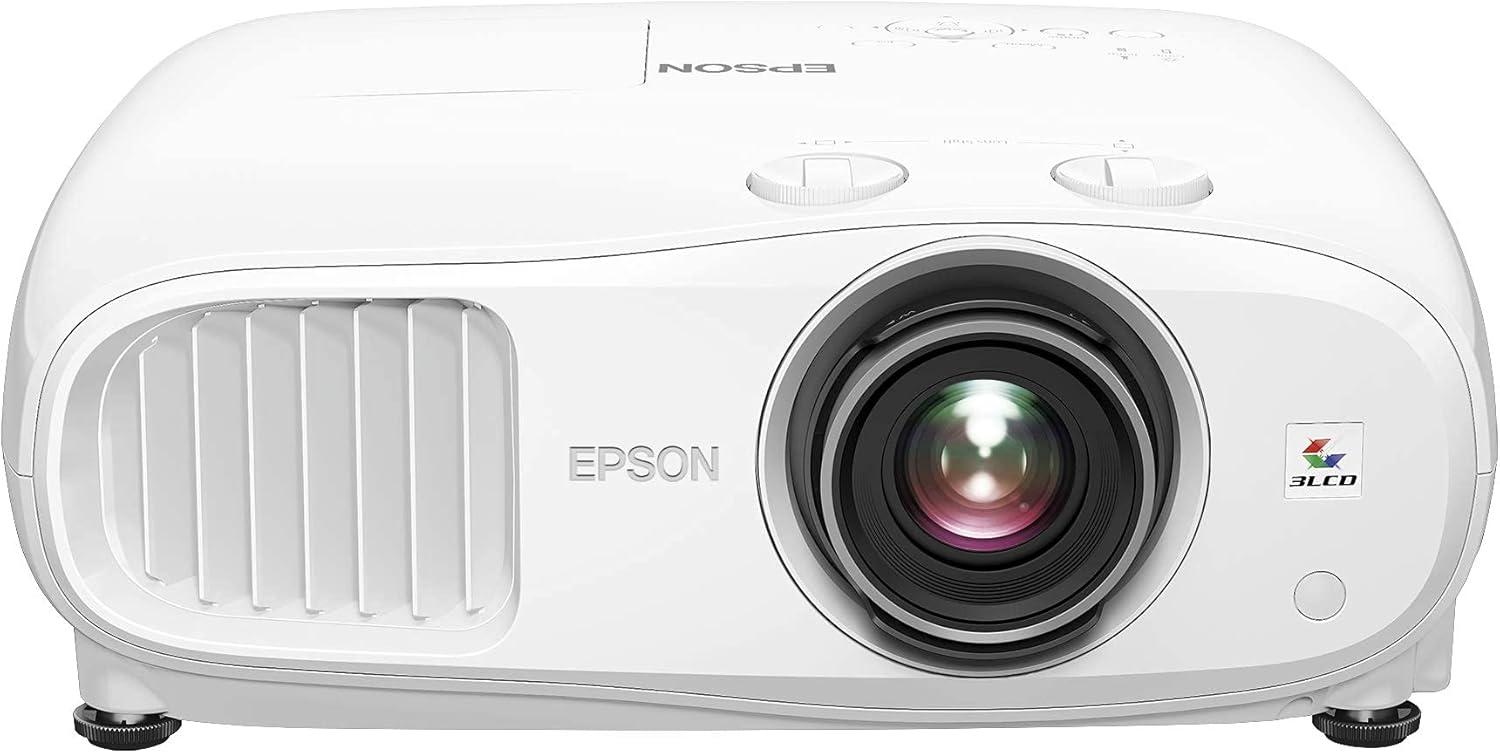
Epson Home Cinema 3800 4K PRO-UHD 3-Chip 3LCD Projector with HDR Technology
A 4K PRO-UHD 3-chip 3LCD Home Cinema projector with HDR technology. The pick here when you want a fixed-install projector with 4K PRO-UHD imaging rather than a portable or a short-throw unit.
Visit on Amazon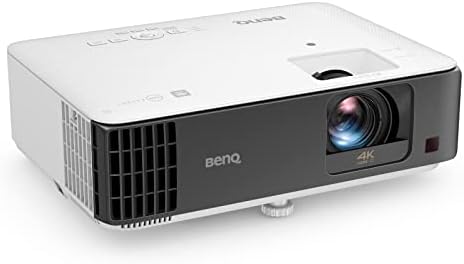
BenQ TK700STi Home Projector, 4K, Short Focus, Android TV 9.0, Low Input Delay, HDR Gaming Projector, 3000 Lumens, DLP, Rec.709, 96%, HDR10 & HLG Compatible, HDMI, 5W Chamber Speaker)
Short-focus 4K DLP with low input delay, Android TV 9.0 built in, 3000 lumens, Rec.709 coverage listed at 96%, HDR10 and HLG support, and a 5W chamber speaker. The one to look at when the room is small or the projector doubles as a game display.
Visit on Amazon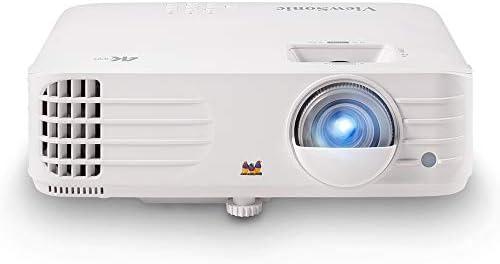
ViewSonic PX701-4K UHD Projector, 3200 Lumens, 240Hz HDR, Auto Keystone DLP
A 4K UHD DLP projector rated at 3200 lumens with 240Hz support, HDR, and auto keystone. The highest brightness figure in this group, which matters in a room you cannot fully darken.
Visit on Amazon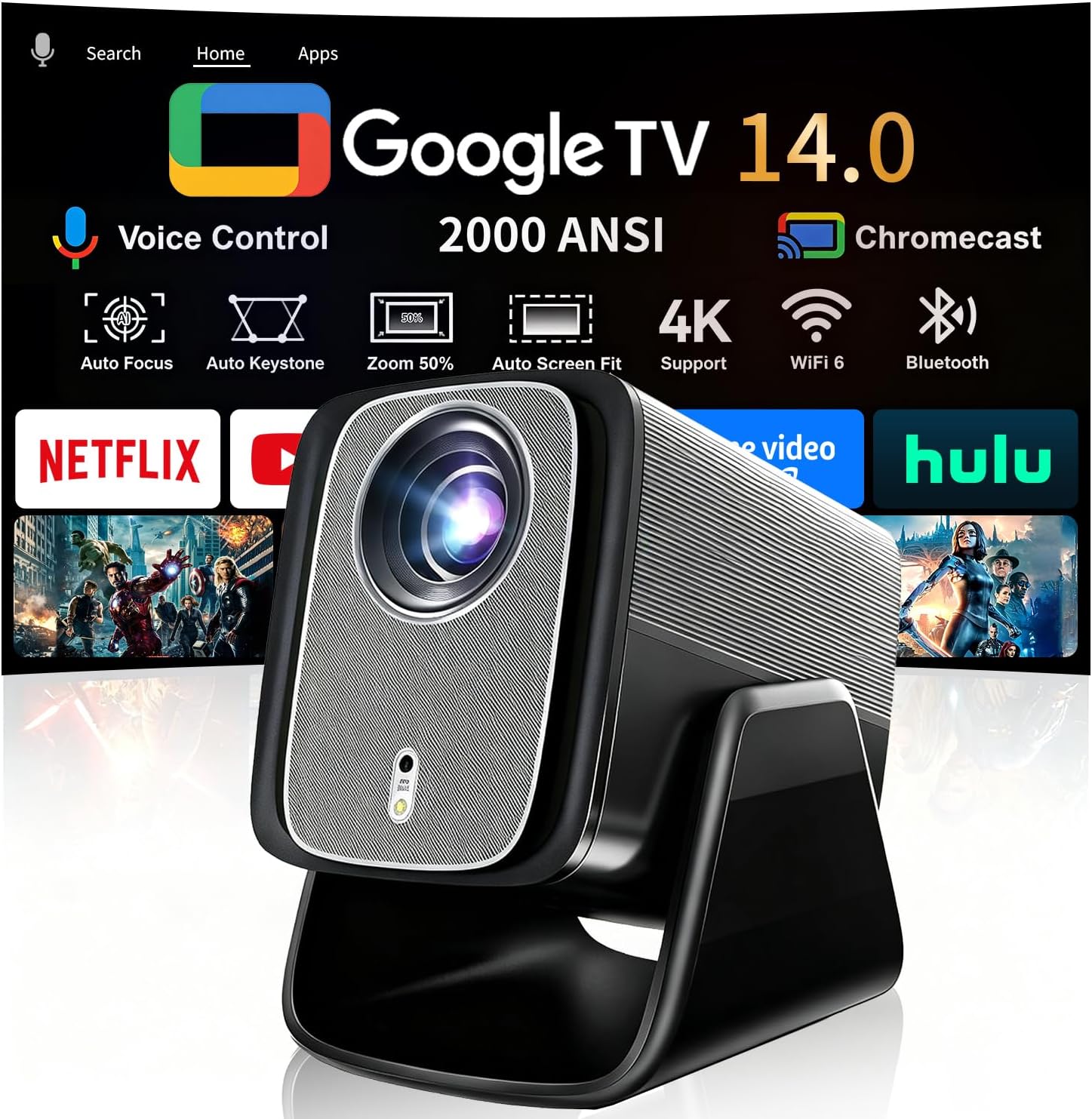
Google TV-Licensed Smart Projector with WiFi and Bluetooth, 2000 ANSI Native 1080P Projector, 4K/8K Input Support, Dual 36W Dolby, Auto Focus, 125% sRGB, HDR10, 90° Stand, 200" Display, X5 Pro
A Google TV licensed smart projector with WiFi and Bluetooth, native 1080p at 2000 ANSI lumens, 4K/8K input support, dual 36W Dolby speakers, auto focus, 125% sRGB, HDR10, a 90 degree stand, and up to a 200 inch display.
Visit on Amazon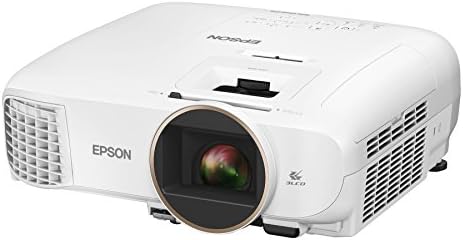
Epson Home Cinema 2150, Wireless, Full HD, 1080p, 2,500 lumens color (color light output), 2,500 lumens white (white light output), 2x HDMI (1 MHL), Miracast, 3LCD projector
A wireless Full HD 1080p 3LCD projector rated 2,500 lumens color and 2,500 lumens white, with two HDMI inputs (one MHL) and Miracast screen mirroring. The 1080p install option here.
Visit on Amazon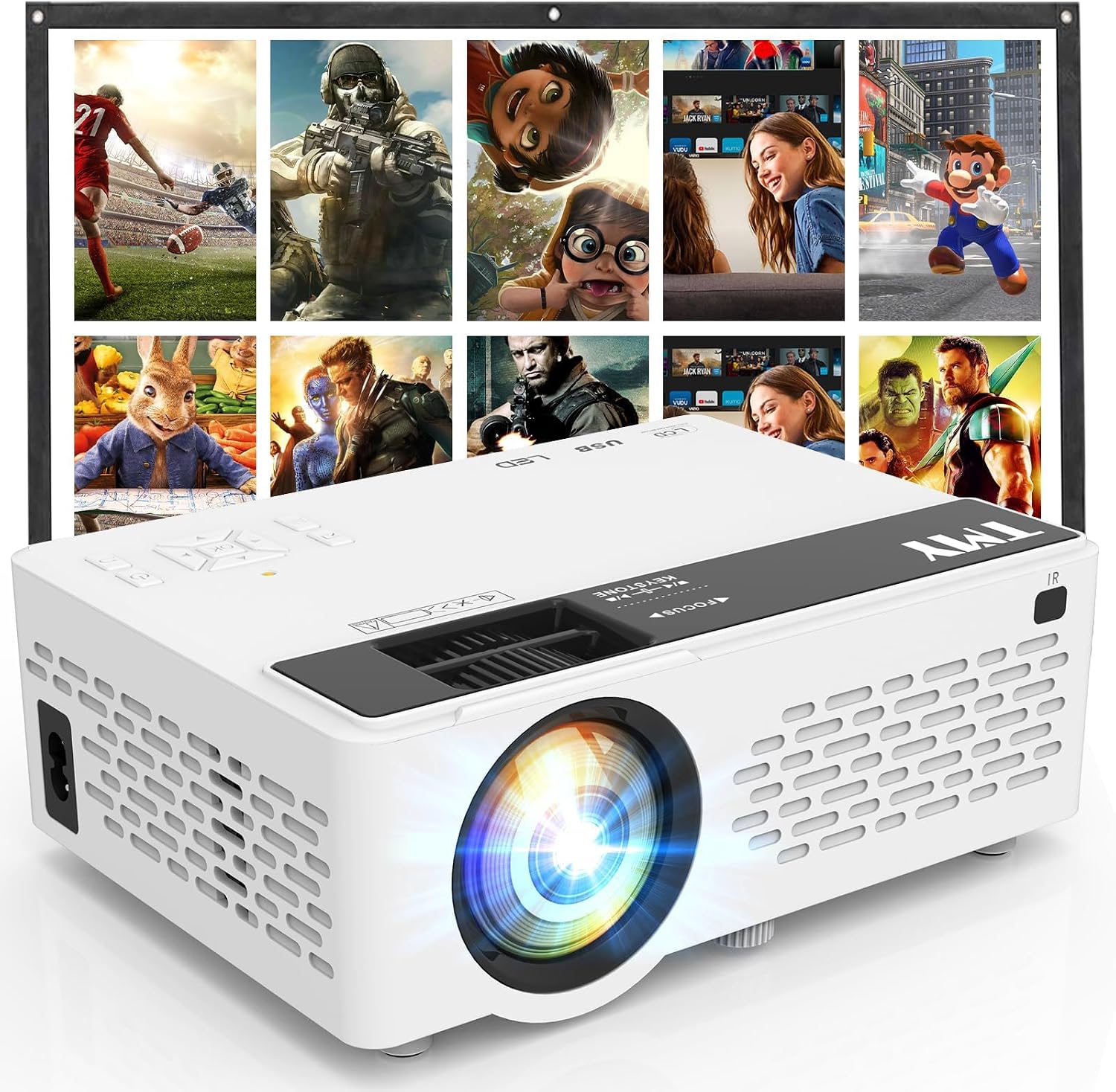
TMY 1080P Mini Portable Projector, 2-way Bluetooth, with 80in Screen
Check current Amazon price
A 1080p mini portable projector with 2-way Bluetooth and an 80 inch screen included. The smallest and most portable option in this roundup, and the one to consider for a bedroom, a dorm, or a backyard setup.
Visit on AmazonPrices and availability may change. Check the retailer for current details.
How these products were compared
This guide compares native resolution and 4K approach, brightness as stated by the manufacturer, throw distance and placement flexibility, smart features and connectivity, and price tier. Product names, images, and retailer links are matched by product identifier so that every card points to the product shown, and the affiliate links are built per product rather than shared across the grid.
There is no hands-on measurement behind these six listings. Where a manufacturer publishes a brightness figure, it is quoted as published. Where a figure is labeled ANSI lumens, it is treated as the stronger claim, and where a listing only says "lumens" or "light output," that distinction is called out rather than smoothed over. Nothing here substitutes for reading the manual and confirming the specs on the exact model you buy, because manufacturers sometimes ship several versions under one family name.
How to choose the right projector
Start with light, because light decides everything else. Brightness is the spec that determines whether a projector works in your room, and the only brightness number worth trusting is ANSI lumens. If a listing quotes light output without the ANSI prefix, treat that figure as a ceiling rather than a floor. A portable unit in a room with west-facing windows will always look washed out next to the 3,200 lumen ViewSonic PX701-4K in the same spot, no matter what either box claims. Room control, meaning blackout curtains, darker wall paint, and a screen that is not blazing white under ambient light, does more for perceived contrast than any setting buried in a menu. Contrast ratio marketing numbers are fiction. Real contrast is what your eyes see in your room at 8pm with the lamps on.
Then work out placement. Throw ratio tells you how far the projector must sit from the screen, and it is the number people forget until the projector is on the ceiling. A short-focus design like the BenQ TK700STi is the fix for a small room or a setup where the projector has to live close to the wall, which is also why it suits gaming: the closer the unit, the less chance a player walks through the beam. Longer-throw units like the Epson Home Cinema 2150 and the Epson Home Cinema 3800 want more distance behind the seats, and that distance is usually easier to find in a basement than in an apartment. Before you buy anything, measure the room and confirm the throw range for your intended screen size, because a projector that cannot fill your screen from where it must sit is the wrong projector regardless of specs. If you are still deciding on the screen itself, it is worth reading how to choose a projector screen for your room before you commit, since screen gain and the projector's brightness have to be planned together.
Resolution deserves the same skepticism. Native 1080p is a real, honest number, and on a 100 inch screen with a good source it looks excellent. The 4K labels in this group are not all the same thing. "4K PRO-UHD" and 4K UHD DLP projectors typically reach that resolution through pixel shifting rather than a native 4K panel, and pixel shifting genuinely works. What matters is that the projector accepts and processes a 4K signal cleanly and that the optics can resolve the detail. Note the difference between resolution and input support: a projector that lists 4K/8K input support is telling you what it can accept over HDMI, not what it can display. That is a useful feature, not a resolution claim, and it should not be priced as one.
Epson Home Cinema 3800 4K PRO-UHD 3-Chip 3LCD Projector with HDR Technology
The Home Cinema 3800 is the pick because it sits in the middle of everything this list cares about. It is a 3-chip 3LCD design, which means the panel architecture produces color and white light through separate paths rather than a color wheel, and it carries Epson's 4K PRO-UHD designation with HDR technology. It belongs to the Home Cinema line, which is the family Epson builds for people putting a projector in a room and leaving it there, rather than for people carrying one between apartments.
That makes it the right answer for the reader who is hanging a projector from a ceiling mount, running HDMI through a wall, and building a library around it. The 3800 is the anchor of this group, and the alternatives below are alternatives for a reason: each one solves a problem the 3800 does not.
The trade-off is straightforward. A fixed-install 4K PRO-UHD 3LCD projector is not the cheapest way into a big picture, and it is not the lightest or the most portable. If your room is small enough that short focus is mandatory, or if your priority is gaming responsiveness rather than film presentation, the BenQ is the better fit. If you cannot darken the room at all, the brightness figure on the ViewSonic deserves a hard look first.
Alternatives to consider
The BenQ TK700STi is better suited to small rooms and mixed use, because it is built around short focus, low input delay, and Android TV 9.0 running on the projector itself, with 3000 lumens, DLP imaging, Rec.709 coverage listed at 96%, HDR10 and HLG support, and a 5W chamber speaker. The ViewSonic PX701-4K is a stronger fit when light control is your weak point, since it is rated at 3200 lumens, the highest figure here, with 240Hz support, HDR, and auto keystone for a quick setup.
The Google TV X5 Pro, the Epson Home Cinema 2150, and the TMY mini portable cover the rest of the field. The X5 Pro is the lifestyle pick: Google TV built in, WiFi and Bluetooth, native 1080p at 2000 ANSI lumens, dual 36W Dolby speakers, auto focus, HDR10, a 90 degree stand, and up to a 200 inch display, which means it can be set on a shelf or angled at a ceiling without a mount. The Epson Home Cinema 2150 is the wireless 1080p install projector, with 2,500 lumens color and 2,500 lumens white, two HDMI inputs including one MHL, Miracast mirroring, and a 3LCD light engine. The TMY is the portable one, with 2-way Bluetooth and an 80 inch screen in the box, which makes it the reasonable choice for a bedroom, a dorm room, or a backyard movie night where nothing gets permanently installed.
Day-to-day use and maintenance
The biggest long-term cost question is the light source. Lamp-based projectors have a rated lamp life measured in hours, and when the lamp dims you replace it; projectors that use LED or laser light sources do not have a user-replaceable lamp in the same way, but they generally carry a higher purchase price. Check which category the exact model falls into before you buy, because it changes the total cost of ownership over five years far more than the difference between two similar price tiers.
Ventilation and cleaning matter more than most people expect. Projectors pull air through a filter or a vent system, and a unit mounted in a cabinet or against a wall with no clearance will run hotter and louder than the same unit on an open shelf. Clean or replace the filter on the schedule in the manual, keep the intake and exhaust clear, and never block a vent to hide the fan noise, because that is how projectors die young. Fan noise is worth thinking about before purchase too: a projector loud enough to be audible over quiet dialogue will push you toward a soundbar or external speakers, and some of the models here include a built-in speaker while others assume you have your own audio.
Buying checklist
- Measure the distance from your intended mount position to the screen, then confirm that distance falls inside the throw range for the screen size you want.
- Choose brightness based on your normal viewing conditions, not an occasional best case, and prefer a stated ANSI lumens figure over a generic light output claim.
- Confirm whether the exact model is native 1080p, 4K PRO-UHD, or 4K UHD, and whether "4K support" refers to display resolution or only HDMI input acceptance.
- Check the connectivity you actually need, whether that is two HDMI inputs, MHL, Miracast, WiFi and Bluetooth, or a built-in smart TV platform.
- Read the cleaning and maintenance instructions, and note the rated life of the light source if it is a replaceable lamp.
- Verify the current retailer price, availability, and return terms before ordering.
Final recommendation
Choose the Epson Home Cinema 3800 4K PRO-UHD 3-Chip 3LCD Projector with HDR Technology when you are building a permanent room and want 4K PRO-UHD 3-chip 3LCD imaging with HDR support as the centerpiece. Choose the BenQ TK700STi when the room is small, the seating is close, or the projector needs to keep up with games as well as movies. Choose the ViewSonic PX701-4K when ambient light is the problem you cannot solve, and the Google TV X5 Pro when you want the smart platform and speakers built in with no extra boxes. The Epson Home Cinema 2150 remains the sensible 1080p wireless install, and the TMY mini portable is the right call when the picture has to travel. Where the verified specs do not separate two projectors in a way that matters for your room, do not let a label decide it for you.