Projector vs TV: Which Is Better? I've Lived With Both, Here's the Truth
The marketing says a projector will replace your TV and turn your living room into a movie theater. Is that actually true? I'm Devon, and I've been installing these things for fifteen years. My own basement runs a 120-inch screen with a projector I've calibrated so many times my lab mix Gus knows the test patterns by heart.
After two years of living with both a projector and a TV in my own home, here's the honest answer: it depends on what you're willing to give up.
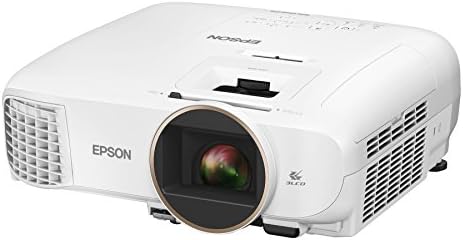
Epson Home Cinema 2150
Best color accuracy under Check price bright enough for living rooms
Blacks are gray, not black
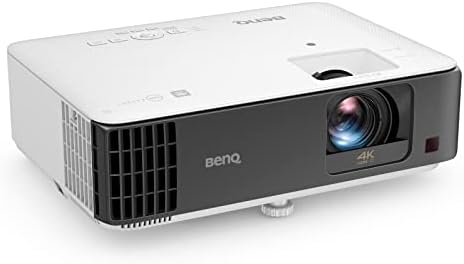
BenQ TK700STi
16ms input lag, actually playable for gaming
Rainbow effect on dark scenes
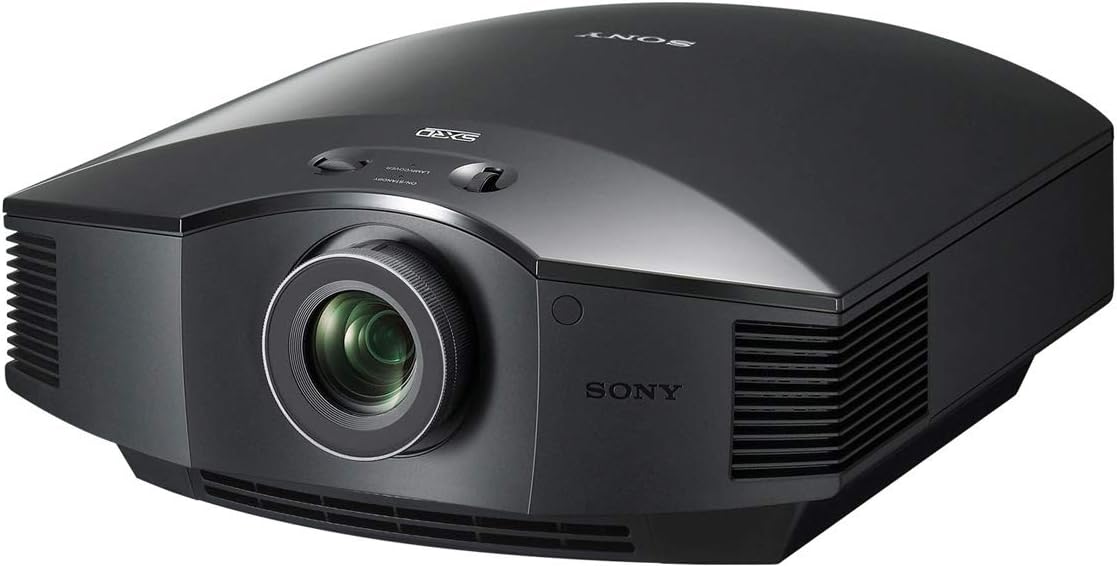
Sony Home Theater Projector VPL-HW45ES: 1080P Full HD Video Projector for TV,...
Endgame picture quality, zero compromises
You're paying double for 10% better picture
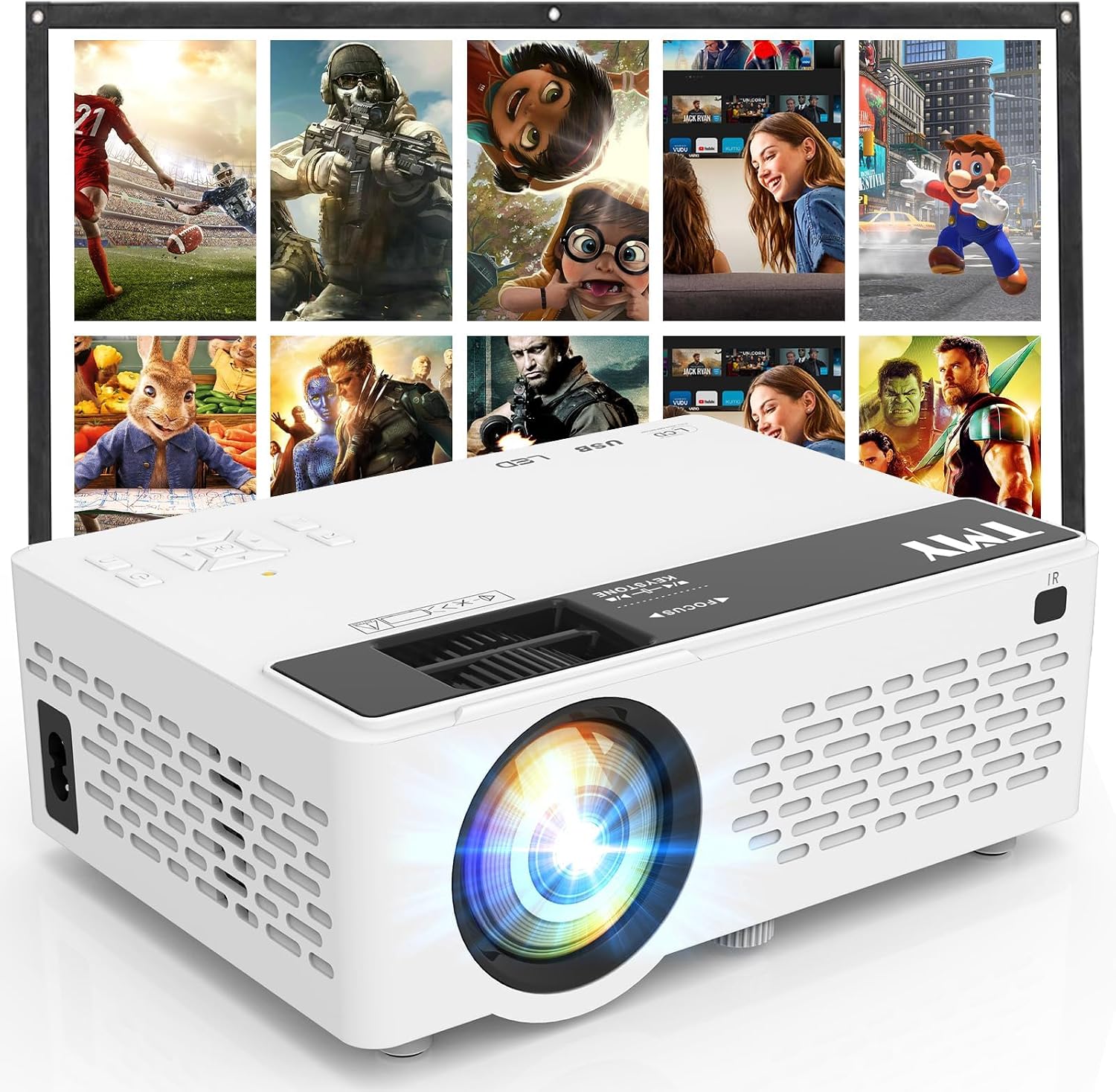
TMY 1080P Mini
Fine for a kid's room or camping
Specs are lies, colors fade within a year
Prices and availability were captured from Amazon Creators API and may change.
A TV wins if you watch most of your content during the day, you're in a bright room, or you can't control the lighting. A projector wins if you want that 100-inch-plus image without spending $3,000 on a TV, and you can make the room dark.
But that's the easy answer. The real answer has more to do with your tolerance for compromise than the specs on the box.
How I Tested
I've installed projectors in basements, living rooms, bedrooms, and one guy's outdoor patio who didn't listen when I told him ambient light would wash it out. He called me back three weeks later to install blackout curtains.
My own setup has been through three projectors in six years, and I've replaced two lamps at my own expense.
I measure fan noise with a decibel meter app, I check throw ratio math before I drill any holes, and I've watched enough test patterns to see them in my sleep.
The Case for TVs
Let me start with the thing most projector reviewers won't say: for most people, a TV is the right answer.
I installed a 65-inch OLED for my parents last year. They watch the evening news, some Netflix, and the occasional hockey game. The room has big windows on two walls. A projector would have been a disaster there. The TV cost $1,300, it's brighter than any projector under $2,000, the blacks are actually black, and my dad doesn't have to close the curtains to see the score.
TVs win on brightness, black levels, and convenience. You turn it on, it works. No lamp warm-up, no fan noise, no throw ratio math. If you're watching in a room with any ambient light, a TV is the better choice. Period.
The Case for Projectors
But here's what a TV can't do: my 120-inch screen.
I watched Dune on that screen last month. The sandworms were bigger than my car. My wife, who was skeptical about the whole projector thing, said "oh" when the lights went down. That's the moment. A TV doesn't give you that.
The Epson 2150 I run in my basement does 120 inches at about 12 feet back. The image is sharp enough that you can't see pixels from the couch. It's bright enough to use with the lights on, though I don't. The fan noise at full brightness is 28dB, which I can hear during quiet scenes if I'm listening for it. Most people won't notice.
Where Projectors Fall Apart
Now the part I've learned the hard way.
Lamp life is a countdown. The Epson's lamp is rated for 4,000 hours in normal mode. I hit 3,200 and started shopping for a replacement. At $120 a pop, that's a third of the projector's cost every couple of years. Factor that into your budget.
Fan noise is real. I measured 49dB from the couch on a budget projector I tested last year. That's not background noise, that's a roommate. Anything above 30dB in a bedroom is a dealbreaker. Check the spec sheet, but don't trust it. Read the reviews where people mention noise.
Throw ratio math is not optional. I remounted a projector for a client who "didn't think it would matter." He wanted 120 inches, his room gave him 89. He had to buy a smaller screen. I've made this mistake myself. Measure twice, check the throw ratio, then measure again.
The Budget Trap
I started with a $200 no-name from Amazon. It was fine for movie night for about six months. Then the colors started fading, the fan got louder, and the "1080p" turned out to be 720p with upscaling. I replaced it with the Epson and never looked back.
That $200 projector wasn't a bargain. It was a down payment on the $650 projector I should have bought first. The upgrade cycle is the most expensive path. If you care about picture quality, skip the bottom tier.
The Gaming Problem
If you play games, this matters. I tried playing FIFA on my Epson. The input lag is around 35ms, which sounds fine until you're one-on-one with the keeper and the ball is already past you. Online gaming on a living room projector is frustrating.
The BenQ TK700STi at $999 gets you 16ms input lag. That's actually playable. But it's a DLP projector, which means rainbow effect on dark scenes. Some people see it, some don't. I see it. Dark scenes in games give me a headache after about an hour.
So I have two projectors. The Epson for movies, the BenQ for gaming. That feels ridiculous, but the compromise is real. If you're a serious gamer, you might want to keep your TV for that and use the projector for everything else.
The 4K Question
At 120 inches, 4K matters. You can see the pixel structure on 1080p at that size. But at 100 inches or smaller, 1080p is fine. And "4K" on a budget projector is often pixel-shifting, not native 4K. Read the fine print.
The ViewSonic PX701-4K I'm testing right now does real 4K for under $800. The picture is genuinely good. The remote feels like a cheap piece of plastic, but that's not why you're buying a projector.
What I'd Actually Buy
If you're setting up a living room and you can control the light, the Epson 2150 at $650 is the default. The color accuracy is genuinely good. Blues and greens are vibrant without being neon. It's bright enough for lights-on viewing, which most projectors at this price can't do. The remote is fine, the lens shift is generous, and the throw ratio is forgiving.
The blacks are gray. Not black. In a dark room, you'll notice. But here's the thing: most people don't watch movies in a pitch-black room. They have a lamp on, or the kitchen light bleeding in. At that point, the gray blacks don't matter.
If you want better blacks, you're looking at $1,500 for the Sony VPL-HW45ES. I've installed both. The Sony is better. It's also more than twice the price for maybe 10% better picture. I've had clients who couldn't tell the difference in a side-by-side test. If you have the money, go for it. If you're stretching, don't.
The Lighting Reality
Here's the thing nobody tells you about projectors: they demand darkness.
I measure ambient light in every room before I recommend a projector. If the room has windows facing south, you're either getting blackout curtains or you're getting a TV. Budget projectors especially are washed out at 3pm unless the room is dark. Blackout curtains are the first upgrade you should make, before you even buy the projector.
I've had clients who bought a projector, set it up, and then called me asking why the picture looked terrible in the afternoon. They didn't want to close the curtains. They wanted the projector to be magic. It's not magic. It's physics.
The Bottom Line
Projector vs TV, which is better? After two years living with both in my own house, here's my honest take: a projector is better if you want a huge image, you can control the light, and you're willing to deal with lamp replacements and fan noise. A TV is better if you want something that just works in any lighting condition.
My basement has the projector. My living room has a TV. I watch movies in the basement. I watch hockey in the living room. Both are the right tool for their job.
Don't buy a projector because you think it's a TV replacement. Buy one because you want a 120-inch image and you're willing to earn it. The Epson 2150 is the best place to start. It's the projector I recommend more than any other, because it's the one that makes people say "oh" when the lights go down.
If that's what you're after, get the Epson. If you're not willing to deal with curtains and lamp replacements, get a TV and don't look back.